


Coalescing filters are essential components in industrial filtration, designed to remove fine liquid and solid particles from gas or air streams. These filters play a critical role in ensuring system efficiency, protecting equipment, and maintaining product quality across various industries. This article examines how coalescing filters work, the various types available, and their diverse applications.
What Are Coalescing Filters?
Coalescing filters are specialized filtration devices designed to remove fine liquid aerosols, mists, and solid particulates from gas or air streams. These filters are widely used in industrial applications to ensure clean and efficient operations by protecting equipment, maintaining product quality, and reducing contamination risks. Unlike standard filters that primarily trap particles, coalescing filters excel at separating liquids from gases, making them indispensable in industries such as oil and gas, manufacturing, and food processing.

The Principle of Coalescence: Merging Droplets for Easier Removal
The operation of coalescing filters is based on the principle of coalescence, which involves merging smaller liquid droplets into larger ones to facilitate their removal. As the gas or air stream passes through the filter media, fine liquid droplets—such as oil, water, or other aerosols—adhere to the fibers of the filter material. These droplets gradually combine with others, forming larger droplets through a process called coalescence. Once the droplets grow to a sufficient size, gravity or centrifugal force causes them to separate from the gas stream, allowing for easy collection and drainage.
This process not only ensures the efficient removal of liquid contaminants but also minimizes the risk of re-entrainment, where separated droplets re-enter the gas flow. By effectively capturing both liquid and solid impurities, coalescing filters provide a dual benefit, ensuring cleaner gas streams and protecting downstream equipment from damage or inefficiency. Their ability to handle fine aerosols and particulates makes them a critical component in achieving high-performance filtration in demanding industrial environments.
How Do Coalescing Filters Work?
Coalescing filters operate through a multi-step process that efficiently removes fine liquid aerosols, mists, and solid particulates from gas or liquid streams. By combining advanced filtration mechanisms, these filters ensure clean and contaminant-free output, making them essential in various industrial applications. Below is a detailed breakdown of the operation process.

Interception: Capturing Small Droplets and Particles
The first stage of a coalescing filter’s operation involves interception, where small liquid droplets and solid particles are captured as the gas or liquid stream flows through the filter media. The filter material, typically made of fine fibers or porous structures, is designed to trap contaminants based on their size and trajectory. As the stream moves through the filter, particles and droplets that come into direct contact with the fibers adhere to the surface. This initial step ensures that even the most minor impurities are intercepted, setting the stage for further filtration.
Brownian Diffusion: Slowing Down Smaller Particles for Coalescence
In the next stage, Brownian diffusion comes into play, particularly for smaller particles and droplets that are too tiny to be intercepted directly. These microscopic contaminants move erratically due to collisions with gas molecules, causing them to deviate from the main flow path. This random motion increases the likelihood of these particles coming into contact with the filter fibers, where they are captured. By slowing down and trapping these smaller contaminants, Brownian diffusion enhances the overall efficiency of the filtration process, ensuring that even submicron particles are addressed.
Coalescence: Merging Droplets into Larger Ones
Once the droplets and particles are captured, the process of coalescence begins. The filter media facilitates the merging of smaller liquid droplets into larger ones by providing a surface where they can accumulate and combine. As more droplets adhere to the fibers, they coalesce into larger droplets that are easier to separate from the gas or liquid stream. This step is critical for removing fine aerosols and mists, as it transforms them into manageable sizes that can be efficiently extracted. The coalescence process also prevents re-entrainment, ensuring that the separated droplets do not re-enter the stream.
Separation: Removing Coalesced Droplets from the Stream
The final stage of the operation involves separating coalesced droplets from the gas or liquid stream. Once the droplets have grown to a sufficient size, gravity or centrifugal force causes them to detach from the filter media and settle in a collection chamber or drainage system. In some designs, the filter includes a drainage layer that directs the separated liquid to an outlet, ensuring continuous operation without clogging. This step ensures that the filtered stream is free of contaminants, delivering clean gas or liquid for downstream processes.
By combining interception, Brownian diffusion, coalescence, and separation, coalescing filters achieve highly efficient filtration. Their ability to handle fine aerosols and particulates makes them indispensable in industries requiring clean and reliable filtration solutions.
Types of Coalescing Filters
Coalescing filters come in various types, each designed to address specific filtration needs across different industries. These filters are categorized based on the type of separation they perform, such as liquid-liquid or liquid-gas separation. Below is a detailed explanation of the two primary types of coalescing filters, their applications, and examples of their use.
Liquid-Liquid Coalescing Filters: Separating Emulsions in Complex Processes
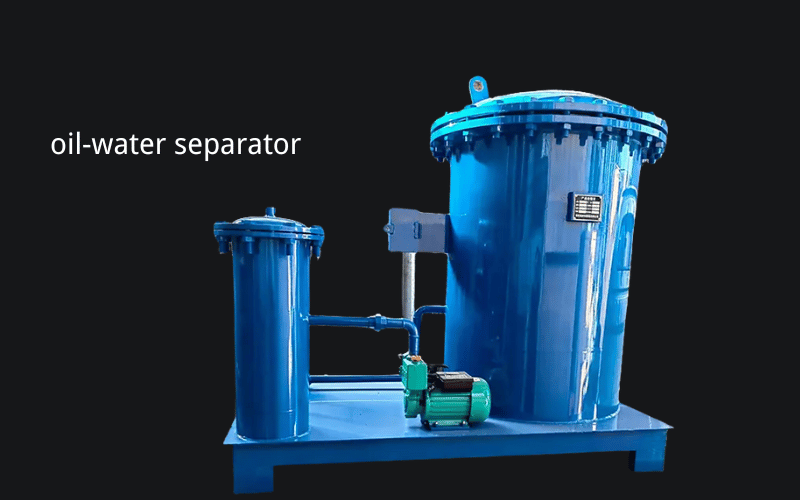
Liquid-liquid coalescing filters are designed to separate immiscible liquids, such as oil and water, from each other. These filters are commonly used in industries like chemical processing, biotechnology, and wastewater treatment, where emulsions need to be broken down for efficient separation. The filter media in these systems is designed to promote coalescence by allowing smaller droplets of one liquid to merge into larger droplets, which can then be separated from the other liquid.
For example, in oil-water separation, liquid-liquid coalescing filters are used to remove oil contaminants from water streams. The filter captures fine oil droplets, coalesces them into larger ones, and directs them to a collection chamber for removal. This process ensures that the water is purified and meets quality standards for reuse or discharge. These filters are particularly valuable in applications where precise separation is critical, such as in the production of pharmaceuticals or the treatment of industrial effluents.
Liquid-Gas Coalescing Filters: Removing Droplets from Gas Streams
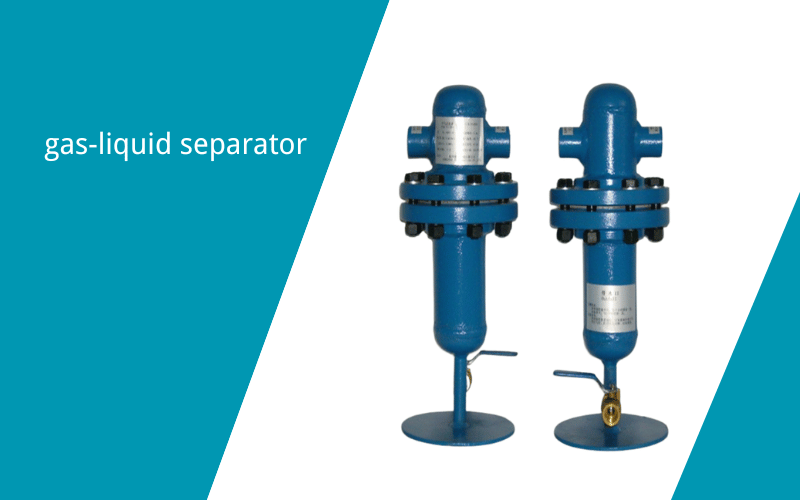
Liquid-gas coalescing filters are specifically designed to remove liquid droplets, such as oil, water, or other aerosols, from gas streams. These filters are widely used in industries such as natural gas processing, petrochemicals, and power generation, where clean gas is crucial for efficient operations and equipment protection. The filter media in liquid-gas coalescing systems capture fine liquid droplets suspended in the gas, coalesce them into larger droplets, and separate them from the gas flow.
A typical example of liquid-gas coalescing filters is their use in natural gas processing to remove oil and water contaminants. These filters ensure that the gas meets purity standards before it is transported or used in downstream applications. By preventing liquid aerosols from entering pipelines or equipment, liquid-gas coalescing filters reduce the risk of corrosion, fouling, and operational inefficiencies. Their ability to handle high-pressure gas streams and fine aerosols makes them indispensable in demanding industrial environments.
By understanding the differences between liquid-liquid and liquid-gas coalescing filters, industries can select the most suitable filtration solution for their specific needs. These filters not only enhance operational efficiency but also ensure compliance with environmental and quality standards.
Understanding Coalescing Filter Cartridges: Key Components in Separation Systems
Coalescing filter cartridges are the essential separation elements within coalescing filters, specifically designed for liquid separation in various systems. For instance, in an oil-water separation system, oil enters the coalescer and first passes through the coalescer filter. This filter removes solid impurities and coalesces small water droplets into larger ones. Most of these coalesced water droplets separate naturally due to their weight, settling in the water collection tank.
After this initial stage, the oil flows through the separation filter element, which further enhances the separation process. The filter element’s excellent oil affinity and water repellency ensure that any remaining water is effectively separated from the oil. Engine oil, for example, enters the lower part of the filter housing through the inlet pipe and flows from the outside to the inside of the filter element. Coarse particles settle immediately and are discharged via the drain valve, while the filter element intercepts smaller particles.
Coalescing separation filters are widely used in oil-water separation systems to handle oil-water mixtures, suspensions, and emulsions. The operational process of these filters typically involves five stages: solid-liquid separation, emulsion breaking, coalescing, separation, and adsorption. The efficiency of the system improves with a higher ratio of coalescing filters to separation filters, resulting in better coalescing effects and faster separation speeds.
Both coalescing and separation filter elements have been standardized for modern water treatment systems. Notably, coalescing filter elements serve dual purposes: they filter impurities from aviation kerosene and coalesce water. This makes them a critical functional component in fine filtration systems.

Benefits of Coalescing Filters
Coalescing filters offer a range of advantages that make them indispensable in industrial filtration systems. By efficiently removing fine liquid droplets, aerosols, and particulates, these filters enhance operational performance, protect equipment, and ensure product quality. Below is a detailed exploration of the key benefits of coalescing filters.
Enhanced Efficiency: Capturing the Smallest Droplets and Particles
One of the most significant benefits of coalescing filters is their ability to remove even the tiniest liquid droplets and solid particles from gas or liquid streams. The advanced filter media is designed to capture contaminants as small as submicron levels, ensuring thorough filtration. This high level of efficiency is particularly important in industries like pharmaceuticals, food processing, and natural gas production, where even trace amounts of impurities can compromise processes or products. By ensuring clean and contaminant-free streams, coalescing filters optimize system performance and reduce the risk of operational disruptions.
Equipment Protection: Preventing Clogging, Corrosion, and Wear
Coalescing filters play a critical role in protecting downstream equipment from damage caused by contaminants. Liquid aerosols, particulates, and other impurities can lead to clogging, corrosion, and excessive wear on machinery, pipelines, and other components. By effectively removing these contaminants, coalescing filters prevent such issues, extending the lifespan of equipment and reducing the need for frequent repairs or replacements. For example, in natural gas processing, these filters ensure that gas entering compressors and turbines is free of liquid droplets, minimizing the risk of corrosion and mechanical failure.
Cost Savings: Lower Maintenance and Operational Expenses
The efficiency and protective capabilities of coalescing filters translate directly into cost savings for industrial operations. By reducing the frequency of equipment maintenance and minimizing downtime caused by contamination-related issues, these filters help lower operational expenses. Additionally, their ability to operate with minimal manual intervention and automated cleaning cycles further reduces labor costs. Over time, the investment in high-quality coalescing filters pays off through reduced maintenance requirements, improved system reliability, and optimized resource use.
Improved Product Quality: Ensuring Purity in Industrial Processes
In industries where product purity is paramount, coalescing filters are essential for maintaining high-quality standards. By removing fine liquid droplets, aerosols, and particulates, these filters ensure that the final product meets stringent quality and safety requirements. For instance, in the food and beverage industry, coalescing filters are used to purify compressed air and gases that come into contact with products, ensuring they remain free of contaminants. Similarly, in pharmaceutical manufacturing, these filters help maintain the integrity of sensitive processes by delivering clean and pure inputs.
By enhancing efficiency, protecting equipment, reducing costs, and ensuring product quality, coalescing filters provide a comprehensive solution for industrial filtration needs. Their ability to address multiple challenges makes them a valuable asset in a wide range of applications.
Applications of Coalescing Filters
Coalescing filters are versatile tools used across a wide range of industries to ensure clean and contaminant-free gas or liquid streams. Their ability to remove fine liquid droplets, aerosols, and particulates makes them indispensable in processes where efficiency, equipment protection, and product quality are critical. Below are detailed examples of industries and use cases where coalescing filters play a vital role.

Compressed Air Systems: Protecting Pneumatic Equipment
In compressed air systems, coalescing filters are essential for removing oil, water droplets, and other contaminants from the air stream. These impurities can cause significant damage to pneumatic tools, actuators, and other equipment by leading to corrosion, clogging, or reduced performance. For example, in manufacturing plants, coalescing filters ensure that compressed air used in assembly lines or spray painting is clean and dry, preventing defects in the final product. By maintaining the purity of compressed air, these filters enhance the reliability and lifespan of pneumatic systems.
Gas and Liquid Filtration: Removing Impurities Like Sulfur and Methane
Coalescing filters are widely used in gas and liquid filtration to separate impurities such as sulfur, methane, and other contaminants. In natural gas processing, these filters remove liquid hydrocarbons, water, and particulates from the gas stream, ensuring it meets quality standards before distribution. Similarly, in chemical processing, coalescing filters are used to purify liquid streams by removing fine droplets of unwanted substances. This ensures that the final product is free of impurities, improving its quality and safety for downstream applications.
Petrochemical Refining: Ensuring Purity in Fuel and Oil
In the petrochemical industry, coalescing filters are critical for maintaining the purity of fuels, oils, and other refined products. These filters remove water, particulates, and other contaminants that can compromise the quality of the final product or damage refining equipment. For instance, during the production of diesel or gasoline, coalescing filters ensure that the fuel is free of water and solid impurities, preventing engine damage and improving performance. Their ability to handle high-pressure and high-temperature environments makes them ideal for demanding refining processes.
Food and Beverage Industry: Ensuring Clarity and Purity
The food and beverage industry relies on coalescing filters to maintain the clarity and purity of products such as cooking oils, beverages, and compressed air used in production. For example, in the production of cooking oils, coalescing filters remove water and fine particulates to ensure the oil remains clear and free of contaminants. Similarly, in beverage manufacturing, these filters purify compressed air used in bottling or packaging processes, ensuring that the final product meets stringent quality and safety standards. Their role in maintaining hygiene and product integrity makes them indispensable in this industry.
Oil and Gas Industry: Safeguarding Equipment and Processes
In the oil and gas sector, coalescing filters are used extensively to remove liquid contaminants from natural gas and other hydrocarbon streams. These filters protect critical equipment such as compressors, turbines, and pipelines from damage caused by water, oil, or other liquid impurities. For example, during natural gas extraction and processing, coalescing filters ensure that the gas is free of liquid hydrocarbons and water, reducing the risk of corrosion and operational inefficiencies. Their ability to handle large volumes and harsh conditions makes them a reliable solution for this industry.
By serving diverse applications such as compressed air purification, gas and liquid filtration, petrochemical refining, food production, and oil and gas processing, coalescing filters demonstrate their versatility and importance. Their ability to ensure clean and efficient operations across industries highlights their value as a critical component in modern filtration systems.
How to Choose the Right Coalescing Filter
Selecting the right coalescing filter is crucial for ensuring optimal performance, protecting equipment, and maintaining product quality in industrial processes. With a variety of options available, it’s important to consider several factors to match the filter to your specific needs. Below are actionable tips to help you choose the most suitable coalescing filter for your application.
Assess the Type of Contaminants: Oil, Water, and Particles
The first step in selecting a coalescing filter is identifying the type of contaminants present in your gas or liquid stream. Different filters are designed to target specific impurities, such as oil aerosols, water droplets, or solid particulates. For instance, if your application involves removing oil from compressed air, you’ll need a filter with media optimized for capturing fine oil droplets. Similarly, for water removal in natural gas processing, a filter designed to coalesce and separate water droplets will be more effective. Understanding the nature and size of the contaminants ensures that the filter you choose can handle the specific challenges of your process.
Determine the Required Flow Rate and Filtration Precision
Flow rate and filtration precision are critical factors to consider when choosing a coalescing filter. The flow rate determines how much gas or liquid the filter can process within a given time, while filtration precision refers to the filter’s ability to capture fine particles and droplets. For high-volume operations, select a filter with a flow rate that matches your system’s capacity to avoid bottlenecks or pressure drops. Additionally, consider the micron rating of the filter, which indicates the smallest particle size it can capture. Applications requiring ultra-clean outputs, such as pharmaceutical manufacturing, may need filters with higher precision to ensure the removal of submicron contaminants.
Evaluate Operating Conditions: Pressure and Temperature
Operating conditions, such as pressure and temperature, play a significant role in the performance and durability of coalescing filters. High-pressure systems, like those in natural gas processing, require filters that can withstand intense pressure without compromising efficiency. Similarly, applications involving extreme temperatures, such as petrochemical refining, demand filters made from materials that can endure heat or cold without degrading. Always check the filter’s specifications to ensure it is compatible with your system’s operating conditions. Choosing a filter that aligns with these parameters prevents premature wear and ensures reliable performance over time.
Consider Long-Term Maintenance and Operational Costs
While the initial cost of a coalescing filter is important, it’s equally essential to evaluate long-term maintenance and operational expenses. Filters with durable media and efficient cleaning mechanisms reduce the frequency of replacements and maintenance, saving time and money in the long run. Additionally, consider the availability of replacement parts and the ease of servicing the filter. Opting for a high-quality filter with lower maintenance requirements may have a higher upfront cost but will provide better value over its lifespan. Factoring in operational costs ensures that your investment delivers consistent performance without unnecessary expenses.
By assessing contaminants, flow rate, operating conditions, and maintenance needs, you can select a coalescing filter that meets your specific requirements. Taking the time to evaluate these factors ensures that your filtration system operates efficiently, protects equipment, and delivers the desired level of purity for your application.
Innovations in Coalescing Filter Technology
The field of coalescing filter technology has seen significant advancements in recent years, driven by the need for higher efficiency, adaptability, and sustainability. These innovations have enhanced the performance of coalescing filters, making them more effective and energy-efficient while catering to the unique demands of various industries. Below are some of the most notable advancements in coalescing filter technology.
Advanced Materials: Superfine Fibers for Higher Efficiency
One of the most impactful innovations in coalescing filters is the development of advanced materials, particularly the use of superfine fibers in filter media. These fibers are engineered to provide a larger surface area for capturing fine liquid droplets and particulates, significantly improving filtration efficiency. The smaller fiber diameter allows for better interception of submicron contaminants, ensuring cleaner outputs in applications where precision is critical, such as pharmaceutical manufacturing or semiconductor production. Additionally, these advanced materials are often designed to resist clogging, which extends the filter’s lifespan and reduces maintenance requirements. By incorporating superfine fibers, modern coalescing filters achieve higher performance levels while maintaining durability and reliability.
Customizable Designs: Tailored Solutions for Specific Industrial Needs
Another key innovation in coalescing filter technology is the ability to customize designs to meet the specific requirements of different industries and applications. Manufacturers now offer tailored solutions that address unique challenges, such as handling high-pressure environments, extreme temperatures, or specific types of contaminants. For example, filters used in natural gas processing can be customized to efficiently remove liquid hydrocarbons and water, while those in the food and beverage industry may be designed to meet stringent hygiene standards. Customizable designs also allow for the integration of additional features, such as automated cleaning systems or modular configurations, which enhance the filter’s functionality and ease of use. This adaptability ensures that coalescing filters can deliver optimal performance in even the most demanding conditions.
Energy-Efficient Systems: Reducing Pressure Drops and Energy Consumption
Energy efficiency has become a significant focus on the development of coalescing filters, as industries seek to reduce operational costs and minimize their environmental impact. Modern coalescing filters are designed to operate with lower pressure drops, which reduces the energy required to maintain the flow of gas or liquid through the system. This is achieved through innovations in filter media and structural design, which optimize airflow while maintaining high filtration efficiency. Additionally, some advanced systems incorporate energy-saving features, such as variable flow control or self-cleaning mechanisms, which further reduce energy consumption and operational costs. By prioritizing energy efficiency, these innovations not only benefit the environment but also provide significant cost savings for industrial operations.
The advancements in materials, customizable designs, and energy-efficient systems have transformed coalescing filter technology, making it more effective, adaptable, and sustainable. These innovations ensure that coalescing filters continue to meet the evolving needs of industries while delivering superior performance and value.
Maintenance Tips for Coalescing Filters
Proper maintenance of coalescing filters is essential to ensure their long-term performance, efficiency, and reliability. Neglecting routine upkeep can lead to reduced filtration efficiency, increased operational costs, and potential damage to downstream equipment. Below are detailed maintenance tips to help you keep your coalescing filters in optimal condition.
Regular Inspections: Identifying Wear and Tear on Filter Elements
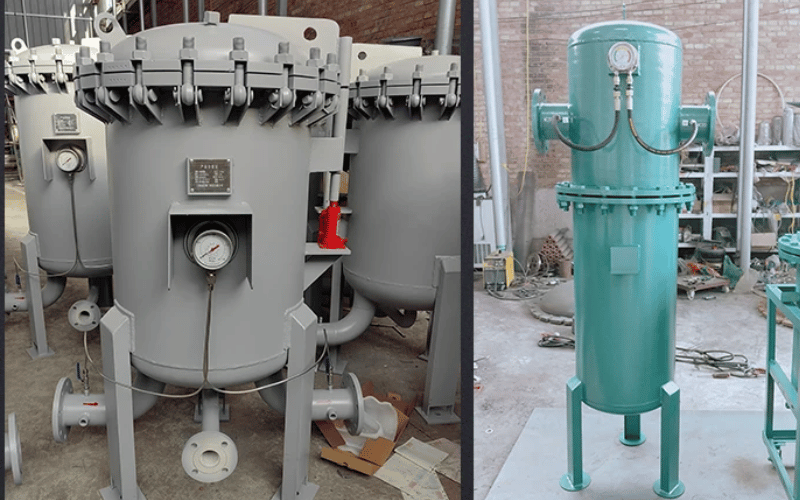
Conducting regular inspections is a fundamental step in maintaining coalescing filters. Over time, filter elements can experience wear and tear due to exposure to contaminants, high pressures, and varying temperatures. During inspections, check for visible signs of damage, such as tears, clogging, or deformation in the filter media. Pay close attention to seals and gaskets, as any compromise in these components can lead to leaks or reduced filtration efficiency. Establish a routine inspection schedule based on the operating conditions and the manufacturer’s recommendations. By identifying issues early, you can prevent minor problems from escalating into costly repairs or system downtime.
Monitor Performance: Tracking Pressure Drops and Flow Rates
Monitoring the performance of your coalescing filters is crucial for detecting potential issues before they impact your operations. Use sensors or gauges to track key performance indicators, such as pressure drops and flow rates. A significant increase in pressure drop often indicates that the filter is becoming clogged and may need cleaning or replacement. Similarly, a decrease in flow rate can signal reduced efficiency or blockages in the system. Many modern filtration systems come equipped with automated monitoring tools that provide real-time data and alerts, making it easier to maintain optimal performance. Regularly reviewing this data ensures that your filters are functioning as intended and helps you plan maintenance activities proactively.
Replace Components as Needed: Following Manufacturer Guidelines
Replacing filter components at the right intervals is essential for maintaining the efficiency and longevity of your coalescing filters. Overused or damaged filter elements can compromise the filtration process, allowing contaminants to pass through and potentially damage downstream equipment. Always follow the manufacturer’s guidelines for replacement intervals, as these are based on the specific design and operating conditions of the filter. Keep spare parts, such as filter cartridges and seals, readily available to minimize downtime during replacements. Additionally, ensure that replacements are performed by trained personnel to avoid installation errors that could affect the filter’s performance.
By conducting regular inspections, monitoring performance metrics, and replacing components as needed, you can ensure that your coalescing filters operate efficiently and reliably. These maintenance practices not only extend the lifespan of your filters but also contribute to the overall efficiency and cost-effectiveness of your filtration system.
Conclusion
Coalescing filters play a vital role in enhancing operational efficiency, protecting equipment, and reducing overall costs across various industries. By effectively removing fine liquid droplets, aerosols, and particulates, these filters ensure cleaner processes and higher-quality outputs. Investing in high-quality coalescing filter systems not only improves performance but also minimizes long-term maintenance expenses. To achieve the best results, consult industry experts who can provide tailored solutions that meet the specific needs of your applications.

