


Basket filter elements are the unsung heroes of industrial oil filtration, ensuring the smooth operation of critical systems across various industries, including automotive, manufacturing, and energy. These cylindrical filtration components, crafted from durable materials such as stainless steel, are designed to withstand harsh conditions while effectively removing contaminants like dirt, debris, and metal particles. From protecting hydraulic systems in car assembly plants to safeguarding turbines in power plants, basket filters play a pivotal role in enhancing system efficiency, reducing maintenance costs, and extending equipment lifespan. This article examines the fundamental functions, applications, and innovations of basket filter elements, providing insights into their contributions to operational reliability and sustainability in contemporary industrial processes.
Introduction to Basket Filter Elements
What Are Basket Filter Elements, and Why Are They Essential in Oil Filtration?
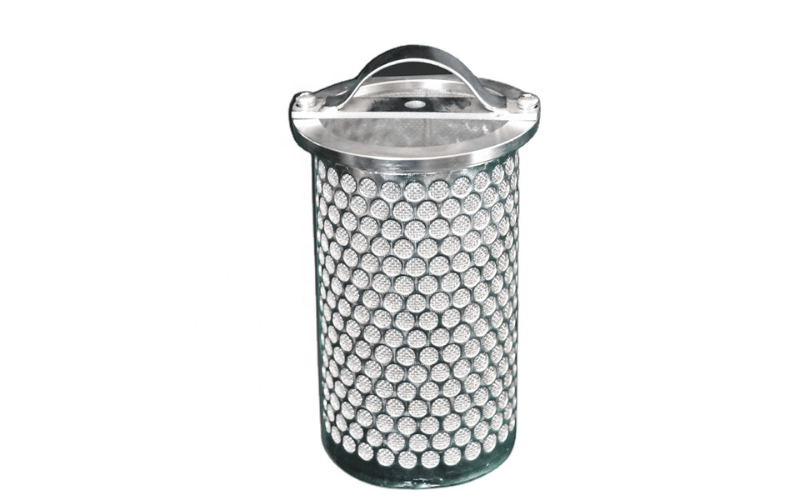
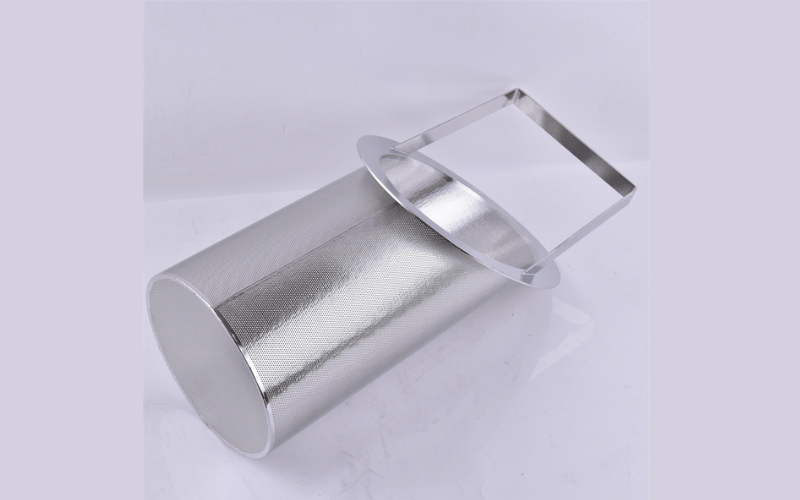
Basket filter elements are cylindrical filtration components designed to remove contaminants, debris, and impurities from oil systems. Constructed from durable materials like stainless steel or fine mesh, they are engineered to withstand high pressures and harsh operating conditions, making them ideal for demanding industrial environments.
These filters are widely used across various industries, including automotive, power generation, and manufacturing. In the automotive sector, they protect hydraulic systems and engines by capturing metal shavings and dirt, ensuring smooth operation and reducing wear. Similarly, in power plants, they safeguard turbines by filtering out fine particles that could cause costly damage. Their easy-to-clean design allows for quick maintenance, reducing downtime and ensuring uninterrupted operations.
By capturing particles that could otherwise cause wear, clogging, or damage, basket filter elements extend the lifespan of critical system components. Their versatility and reliability make them a practical choice for industries requiring efficient and robust filtration solutions.
Role in Ensuring System Efficiency and Reliability
Basket filter elements play a pivotal role in maintaining system efficiency by preventing contaminants from circulating through oil systems. For example, in metalworking facilities, clean oil reduces friction in machinery, ensuring precision and minimizing energy loss. In energy production, these filters maintain the reliability of compressors and turbines, reducing the risk of unexpected breakdowns.
Their ability to handle high flow rates and varying contamination levels makes them indispensable in industries such as manufacturing, where downtime can result in significant financial losses. By reducing maintenance frequency and protecting equipment from damage, basket filter elements enhance operational efficiency and contribute to long-term cost savings.
How Basket Filter Elements Work
Practical Explanation of the Filtration Process
Basket filter elements operate by channeling oil through a perforated or mesh structure that captures contaminants while allowing clean oil to pass through. When oil enters the filter housing, it flows into the basket element, where particles like dirt, metal shavings, and other debris are trapped. The filtered oil then exits the system, ready to lubricate machinery or power equipment.
For example, in automotive manufacturing, basket filters remove metal particles from hydraulic oil, ensuring smooth operation of assembly line equipment. In power plants, they filter turbine oil to prevent fine contaminants from damaging sensitive components. This process not only protects equipment but also reduces the frequency of oil changes, saving time and resources.
The design of basket filters makes maintenance straightforward. The basket can be easily removed, cleaned, and reused, offering a cost-effective and sustainable solution for long-term filtration needs.
Key Components and Their Functions in Oil Filtration Systems
-
Filter Basket: The heart of the system, typically made from stainless steel or fine mesh, captures contaminants while allowing oil to flow freely. Its robust construction ensures it can withstand high pressures and repeated cleaning cycles, making it ideal for demanding applications like heavy machinery or industrial compressors.
-
Filter Housing: This encases the basket and directs the flow of oil through the system. Designed to handle harsh conditions, the housing ensures a secure seal to prevent leaks, even in high-pressure environments like offshore drilling rigs.
-
Inlet and Outlet Ports: These guide oil into and out of the filter system. The inlet directs contaminated oil into the basket, while the outlet ensures clean oil flows back into the system. In energy production, this ensures turbines receive consistently clean oil for optimal performance.
-
Support Structure: Some basket filters include a support frame to hold the basket securely in place. This ensures consistent filtration performance, even under high flow rates, such as in manufacturing plants with continuous operations.
-
Drain Valve: Found in many systems, this feature simplifies maintenance by allowing easy removal of accumulated debris and oil. For instance, in metalworking facilities, operators can quickly drain and clean the filter without disrupting production.
By working together, these components ensure that basket filter elements effectively remove contaminants, protect critical system components, and maintain optimal oil quality. This not only enhances system efficiency but also reduces downtime and extends the lifespan of machinery.
Applications of Basket Filters in Oil Filtration
Common Use Cases in Industries Like Automotive, Manufacturing, and Energy
Basket filters are indispensable in industries where clean oil is critical for system performance and reliability. Their ability to remove contaminants ensures smooth operations, reduces maintenance costs, and extends the equipment’s lifespan.
-
Automotive Industry: Basket filters are vital in maintaining the performance of engines, hydraulic systems, and transmission units. For example, in car assembly plants, these filters prevent metal shavings and debris from damaging hydraulic presses, ensuring consistent production quality and reducing downtime.
-
Manufacturing Sector: In facilities that rely on lubricants or hydraulic oils, basket filters protect machinery from contamination that could lead to costly breakdowns. For instance, in metal fabrication, filters remove fine particles from cooling and lubrication systems, preventing defects in finished products and minimizing production delays.
-
Energy Production: Power plants depend on basket filters to maintain the integrity of turbines, compressors, and other critical systems. These filters ensure that turbine lubrication systems remain free of particulate matter, reducing the risk of unplanned outages and expensive repairs.
Real-World Examples of How Basket Filters Improve Operational Performance
-
Automotive Industry: In a car manufacturing plant, basket filters installed in hydraulic presses ensure the oil remains free of debris. This reduces wear on press components, cutting maintenance costs by up to 30% and extending equipment lifespan by several years.
-
Manufacturing Plants: A metal fabrication facility uses basket filters in its cooling systems to remove metal shavings and contaminants. This not only ensures consistent product quality but also prevents production delays, saving the company thousands of dollars in downtime annually.
-
Energy Sector: In a power plant, basket filters are integrated into turbine lubrication systems to capture fine particles. By preventing damage to turbine components, these filters help maintain uninterrupted energy production and reduce repair costs by as much as 40%.
Addressing Industry-Specific Challenges
Basket filters are designed to tackle unique challenges in each industry. In automotive plants, they handle high contamination levels from metal debris. In manufacturing, they withstand high flow rates and varying oil viscosities. In energy production, they operate under extreme temperatures and pressures, ensuring reliable performance even in harsh conditions.
These examples and insights demonstrate how basket filters not only protect critical equipment but also enhance operational efficiency, reduce costs, and ensure long-term reliability in oil filtration systems.
Types and Variants of Basket Filters
Overview of Different Basket Filter Designs
Basket filters are available in various designs to meet the diverse demands of industrial applications, each offering unique advantages based on operational needs.
-
Single Basket Filters: The most common type, featuring a single filtration chamber, is ideal for systems that can afford brief downtime during maintenance. For example, in small-scale manufacturing, these filters are used in hydraulic systems where occasional cleaning is manageable. Their simple design makes them cost-effective and easy to maintain.
-
Duplex Basket Filters: Designed for continuous operation, these filters feature two filtration chambers, allowing one basket to be cleaned while the other remains in use. This design is critical in industries like energy production, where uninterrupted filtration is essential to prevent turbine damage or system failures.
-
Multi-Basket Filters: These filters house multiple baskets to handle high flow rates, making them suitable for large-scale manufacturing plants or oil refineries. Their ability to process significant volumes of oil ensures consistent performance in demanding environments.
-
Magnetic Basket Filters: Incorporating magnets to capture ferrous particles, these filters provide an added layer of protection. For instance, in automotive manufacturing, they are used to remove metal shavings from hydraulic oil, preventing damage to sensitive components and reducing maintenance costs.
By selecting the appropriate design, industries can optimize filtration performance, reduce downtime, and protect critical equipment.
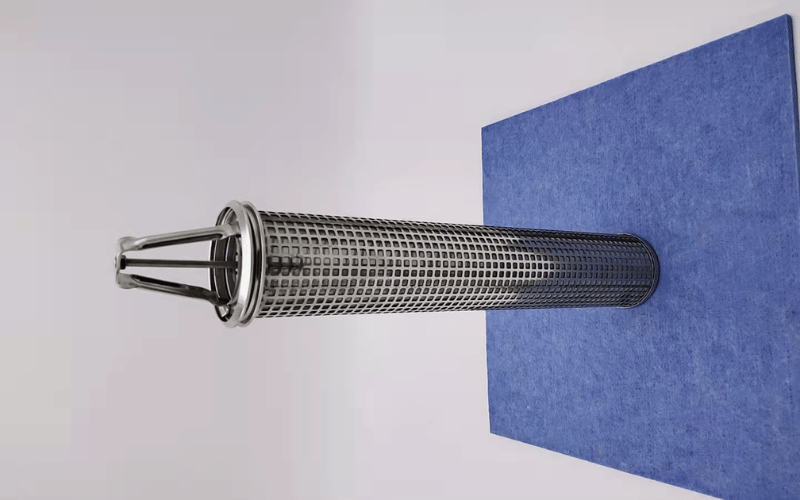
Comparison of Strainer Baskets vs. Filter Strainer Baskets
Understanding the differences between strainer baskets and filter strainer baskets is essential for selecting the right solution for specific applications.
- Purpose: Primarily used to remove larger particles and debris from oil or other fluids.
- Applications: Ideal for coarse filtration, such as protecting pumps or valves in water treatment plants, industrial cooling systems, or oil pipelines.
- Example: A pump station uses strainer baskets with perforated stainless steel plates to trap debris larger than 100 microns, preventing damage to pump impellers and ensuring smooth operation.
Filter Strainer Baskets:
- Purpose: Combine coarse and fine filtration capabilities, capturing both large and small particles.
- Applications: Suitable for systems requiring higher levels of cleanliness, such as hydraulic systems, precision machinery in aerospace manufacturing, or pharmaceutical production.
- Example: A hydraulic press in a metal fabrication facility uses filter strainer baskets with multi-layered mesh to capture particles as small as 10 microns, ensuring oil purity, reducing wear on components, and maintaining product quality.
Key Differences:
- Filtration Fineness: Strainer baskets focus on coarse filtration (e.g., >100 microns), while filter strainer baskets provide finer filtration (e.g., 10–50 microns) for more demanding applications.
- Applications: Strainer baskets are used for general protection, whereas filter strainer baskets are employed in systems requiring higher oil purity and precision.
- Materials: Strainer baskets often use perforated plates, while filter strainer baskets may include fine mesh or multi-layered filtration media for enhanced performance.
By understanding these types and their specific uses, industries can select the right basket filter to enhance operational efficiency, reduce maintenance costs, and protect their equipment effectively.
Choosing the Right Basket Filter
How to Select the Appropriate Mesh Size for Your Application
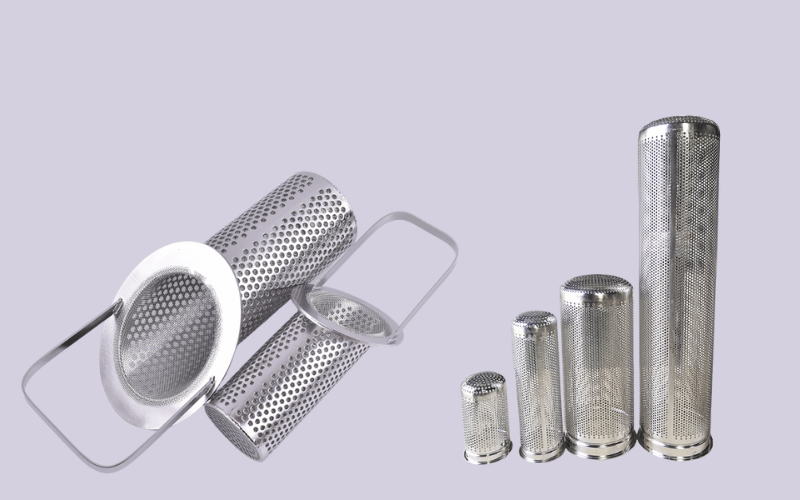
Selecting the correct mesh size is critical for effective filtration and system performance. The mesh size determines the size of particles the filter can capture, and choosing the wrong size can lead to inefficiencies or equipment damage.
-
Coarse Filtration: For applications like protecting pumps or valves from large debris, a lower mesh count (e.g., 20-40) is sufficient. For example, in water treatment plants, coarse mesh filters are used to trap leaves and large particles before water enters the system.
-
Fine Filtration: For systems requiring higher oil purity, such as hydraulic presses or turbine lubrication systems, a higher mesh count (e.g., 100-200) is necessary to capture smaller contaminants. In aerospace manufacturing, for instance, fine mesh filters ensure hydraulic oil remains free of particles that could damage precision components.
Pro Tip: If your oil contains a mix of particle sizes, consider a multi-stage filtration system that uses both coarse and fine mesh filters for optimal performance.
Factors to Consider When Choosing a Basket Filter
-
Flow Rate:
Ensure the filter can handle your system’s flow rate without causing pressure drops. For example, in large-scale manufacturing, a filter with insufficient capacity could restrict oil flow, leading to overheating or inefficiencies. Always check the filter’s flow rate specifications against your system’s requirements. -
Particle Size:
Identify the size of contaminants in your oil. For instance, in metalworking facilities, filters must capture fine metal shavings to prevent damage to machinery. Use particle size analysis to determine the appropriate mesh size for your application. -
Oil Type:
Different oils have varying viscosities, which can affect filtration performance. For thicker oils, such as those used in gearboxes or heavy machinery, select a filter designed to handle high-viscosity fluids without compromising flow. Filters with reinforced mesh or larger surface areas are ideal for these applications. -
Operating Conditions:
Consider factors like temperature, pressure, and the presence of corrosive substances. For example, in offshore drilling, filters must withstand high pressures and corrosive environments. Stainless steel filters are a reliable choice for such demanding conditions. -
Maintenance Requirements:
If your system requires continuous operation, opt for a duplex filter to allow for maintenance without downtime. For less critical systems, a single basket filter may suffice. In power plants, duplex filters are often used to ensure uninterrupted turbine lubrication during maintenance.
Avoiding Common Mistakes
- Over-Filtration: Choosing a mesh size that’s too fine for your application can lead to clogging and reduced flow, especially in systems with high-viscosity oils.
- Underestimating Flow Rate: A filter with insufficient capacity can cause pressure drops, leading to inefficiencies or equipment damage.
- Ignoring Operating Conditions: Using a filter made from the wrong material can result in corrosion or failure under extreme conditions.
By carefully evaluating these factors and considering the specific needs of your system, you can select a basket filter that ensures efficient filtration, reduces maintenance costs, and enhances long-term reliability.
Maintenance and Troubleshooting
Step-by-Step Guide to Cleaning and Replacing Strainer Baskets
Proper maintenance of basket filters is essential to ensure efficient filtration and extend the lifespan of your equipment. Follow these steps for safe and effective cleaning or replacement:
-
Shut Down the System:
Before starting, turn off the system and relieve any pressure to ensure safety. For example, in power plants, this step is critical to avoid high-pressure oil leaks that could damage equipment or pose safety risks. -
Access the Basket:
Open the filter housing by loosening bolts or clamps. Carefully remove the basket to avoid spilling trapped debris. In manufacturing plants, operators often use spill trays to catch any residual oil during this step. -
Inspect the Basket:
Check for visible damage, such as tears, deformations, or corrosion in the mesh. For instance, in automotive assembly lines, a damaged basket could allow metal shavings to bypass the filter, leading to costly equipment repairs. Replace the basket if it shows signs of wear that could compromise filtration. -
Clean the Basket:
Use a soft brush or compressed air to remove debris. For stubborn contaminants, soak the basket in a cleaning solution compatible with the oil type (e.g., degreasers for hydraulic oil) and rinse thoroughly. In metalworking facilities, ultrasonic cleaners are often used for deep cleaning of fine mesh baskets. -
Reinstall the Basket:
Place the cleaned or new basket back into the housing, ensuring it is seated correctly to prevent leaks or bypassing. Misalignment in energy sector turbines can lead to unfiltered oil reaching critical components, causing damage. -
Seal the Housing:
Close the filter housing securely, tightening all bolts or clamps evenly to maintain a proper seal. Over-tightening can warp the housing, while under-tightening may cause leaks. -
Restart the System:
Gradually restore pressure and monitor for leaks or irregularities in the system’s operation. In offshore drilling rigs, operators often use pressure gauges to confirm the system is functioning correctly after maintenance.
Common Filtration Issues and How to Resolve Them
-
Clogging:
A clogged basket can restrict oil flow and cause pressure drops. Regularly inspect and clean the basket to prevent buildup. For example, in metal fabrication, frequent clogging may indicate high contamination levels, requiring a pre-filter or coarser mesh to handle larger debris. -
Pressure Drops:
Sudden pressure drops may indicate a damaged basket or improper sealing. Inspect the basket and housing for issues, and ensure the basket is correctly installed. In hydraulic systems, pressure drops can lead to reduced system efficiency and slower operations. -
Bypassing:
If contaminants are bypassing the filter, check for gaps or misalignment in the basket. Replace damaged components and ensure the basket fits snugly in the housing. In precision manufacturing, bypassing can result in unfiltered oil damaging sensitive machinery. -
Corrosion or Wear:
Over time, exposure to harsh conditions can degrade the basket or housing. Use materials like stainless steel for better durability, especially in corrosive environments like chemical processing plants. Replace components as needed to maintain performance. -
Frequent Maintenance Needs:
If the filter requires cleaning too often, evaluate the system’s contamination levels. Upgrading to a larger filter or using a duplex design can reduce maintenance frequency. For example, in energy production, duplex filters allow continuous operation while one basket is cleaned, minimizing downtime.
Avoiding Common Mistakes
- Over-Tightening Bolts: This can warp the housing, leading to improper sealing. Tighten bolts evenly and to the manufacturer’s specifications.
- Using Incompatible Cleaning Solutions: Always use a solution compatible with the oil type to avoid damaging the basket or leaving harmful residues.
- Skipping Inspections: Failing to inspect the basket for damage can lead to unfiltered oil reaching critical components, causing costly repairs.
By following these maintenance steps and addressing common issues promptly, you can ensure your basket filter operates efficiently, reduce downtime, and extend the lifespan of your equipment.
Best Practices for Longevity
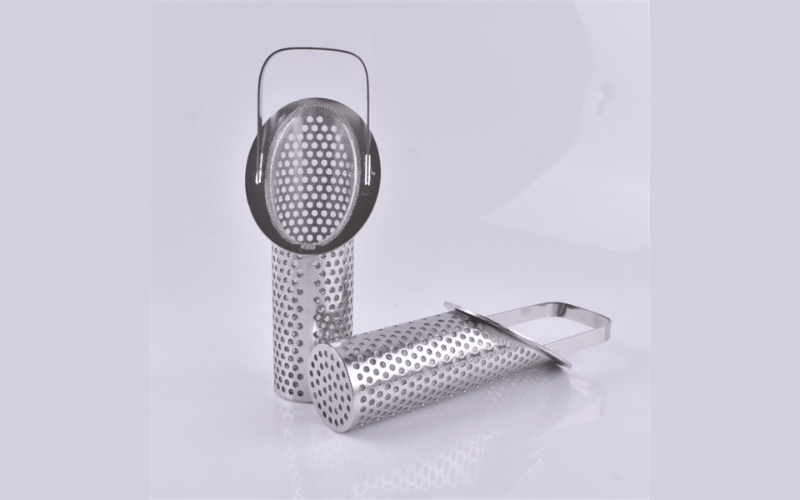
Tips for Extending the Lifespan of Basket Filter Elements
- Choose the Right Material:
- Select basket filters made from durable materials like stainless steel, especially for high-pressure or corrosive environments. For example, in offshore drilling, stainless steel filters resist corrosion from saltwater exposure, ensuring long-term reliability. Using the wrong material, such as carbon steel in corrosive conditions, can lead to premature failure.
- Match the Mesh Size to the Application:
- Using the correct mesh size prevents unnecessary strain on the filter. For instance, in hydraulic systems, a mesh that’s too fine may clog quickly, causing pressure drops, while a mesh that’s too coarse may allow contaminants to damage sensitive components. Conduct a particle size analysis to determine the optimal mesh size for your system.
- Avoid Overloading the Filter:
- Monitor contamination levels and avoid pushing the filter beyond its capacity. In metalworking facilities, overloading can lead to clogged filters, reducing oil flow and causing equipment overheating. Installing a pre-filter can help manage high contamination levels and reduce strain on the basket filter.
- Handle with Care During Maintenance:
- When cleaning or replacing the basket, avoid using abrasive tools or harsh chemicals that could damage the mesh or housing. For example, in precision manufacturing, improper cleaning can leave residues that compromise oil purity. Always follow the manufacturer’s cleaning recommendations to maintain filter integrity.
- Store Spare Filters Properly:
- Keep replacement baskets in a clean, dry environment to prevent corrosion or contamination before use. In energy production facilities, improperly stored filters can accumulate dust or moisture, reducing their effectiveness when installed.
Preventative Maintenance Strategies to Avoid Costly Downtime
- Establish a Regular Inspection Schedule:
- Periodically check the filter for signs of wear, clogging, or damage. For example, in power plants, weekly inspections can prevent unexpected failures in turbine lubrication systems, avoiding costly downtime.
- Monitor Pressure Differentials:
- Install a pressure gauge to track the difference between the inlet and outlet. A rising pressure differential often indicates a clogged filter. In automotive manufacturing, this practice helps identify when filters need cleaning, ensuring uninterrupted production.
- Clean Filters Before They Reach Capacity:
- Don’t wait for the filter to clog completely. Cleaning or replacing the basket at regular intervals ensures consistent performance and prevents strain on the system. For instance, in metal fabrication, scheduling filter maintenance every 30 days can reduce the risk of sudden equipment failure.
- Use Pre-Filtration Systems:
- In environments with high contamination levels, such as oil refineries, installing a pre-filter to capture larger debris reduces the load on the basket filter. This not only extends the filter’s lifespan but also improves overall system efficiency.
- Train Maintenance Staff:
- Ensure that personnel handling the filters are trained in proper maintenance techniques. For example, in chemical processing plants, untrained staff may use incompatible cleaning solutions, damaging the filter and reducing its efficiency. Proper training minimizes errors and ensures consistent performance.
Avoiding Common Mistakes
- Skipping Inspections: Neglecting regular inspections can lead to undetected damage, resulting in unfiltered oil reaching critical components.
- Using the Wrong Cleaning Tools: Abrasive brushes or harsh chemicals can weaken the mesh, leading to premature failure.
- Improper Storage: Storing filters in damp or dusty environments can compromise their effectiveness before they’re even installed.
By following these best practices and preventative strategies, you can maximize the lifespan of your basket filter elements, reduce maintenance costs, and maintain efficient system performance while minimizing downtime.
Benefits of Using Basket Filters
Enhanced Efficiency in Oil Filtration and System Performance
Basket filters play a critical role in improving the efficiency of oil filtration systems by effectively removing contaminants like dirt, debris, and metal particles. This ensures machinery operates smoothly, reducing wear and tear on critical components and enhancing overall system performance.
- Real-World Example: In automotive manufacturing, basket filters in hydraulic systems prevent metal shavings from damaging sensitive components, reducing maintenance needs and ensuring consistent production quality.
- Measurable Impact: Clean oil minimizes energy loss, extends equipment lifespan by up to 30%, and reduces the risk of unexpected breakdowns. For instance, in energy production, uninterrupted turbine lubrication ensures consistent power output and prevents costly downtime.
- Industry Applications: Manufacturing plants, automotive assembly lines, and power plants rely on basket filters to maintain operational efficiency and avoid disruptions.
By ensuring consistent filtration, basket filters not only enhance system performance but also provide peace of mind by preventing costly failures.
Cost Savings Through Reusable and Durable Filter Elements
One of the standout advantages of basket filters is their reusability. Made from durable materials like stainless steel, these filters can be cleaned and reused multiple times, significantly reducing the need for frequent replacements.
- Real-World Example: In metalworking facilities, basket filters are cleaned and reused to handle high contamination levels, saving thousands of dollars annually in replacement costs.
- Measurable Impact: Businesses can reduce maintenance expenses by up to 40% and minimize downtime, as durable filters require less frequent replacement.
- Long-Term Value: For industries with high filtration demands, such as oil refineries, the ability to clean and reuse filters makes them a cost-effective and reliable solution.
By investing in reusable basket filters, companies can achieve substantial cost savings while maintaining high filtration standards.
Positive Environmental Impact Through Effective Filtration and Reduced Waste
Basket filters contribute to environmental sustainability by reducing waste and promoting cleaner operations. Their reusable design minimizes the reliance on disposable filters, which often end up in landfills.
- Real-World Example: In chemical processing plants, switching to reusable basket filters has reduced filter waste by 50%, aligning with corporate sustainability goals.
- Cleaner Operations: By ensuring cleaner oil, basket filters reduce the environmental impact of machinery emissions and leaks. For example, in offshore drilling, effective filtration prevents oil contamination from entering marine ecosystems.
- Resource Conservation: Fewer oil changes are needed due to cleaner oil, conserving resources and reducing waste. This is particularly impactful in energy production, where large volumes of oil are used.
By adopting basket filters, industries can reduce their environmental footprint while maintaining efficient and reliable operations.
Innovations and Future Trends in Basket Filtration
Emerging Technologies in Basket Filter Design and Materials
Advancements in basket filter technology are revolutionizing efficiency, durability, and adaptability, making them indispensable for modern industrial applications.
- Self-Cleaning Basket Filters:
- These filters automatically remove trapped debris without requiring manual intervention, reducing downtime and enhancing operational efficiency.
- Real-World Example: In energy production, self-cleaning filters are used in turbine lubrication systems to ensure uninterrupted operation, reducing maintenance time by up to 50%.
- Measurable Impact: Industries with continuous processes, such as chemical manufacturing, benefit from fewer shutdowns and improved productivity.
- Advanced Filtration Materials:
- The development of composite meshes and nanofiber coatings has significantly improved filtration precision. These materials capture even the smallest particles while maintaining high flow rates.
- Real-World Example: In pharmaceutical manufacturing, nanofiber-coated filters ensure the removal of microscopic contaminants, meeting stringent purity standards.
- Measurable Impact: These materials can improve filtration efficiency by up to 30%, reducing the risk of contamination in sensitive applications.
- 3D Printing for Custom Designs:
- 3D printing technology is being explored to create custom basket filter designs tailored to specific applications.
- Real-World Example: In aerospace engineering, 3D-printed filters are designed to handle unique flow dynamics and extreme operating conditions.
- Measurable Impact: Custom designs optimize performance, reducing energy consumption and extending filter lifespan by up to 20%.
Sustainability-Focused Advancements in Filtration Solutions
Sustainability is becoming a driving force in basket filtration, with manufacturers prioritizing eco-friendly designs and resource conservation.
- Reusable and Recyclable Materials:
- Stainless steel baskets, known for their durability, are also recyclable, making them a sustainable choice for long-term use.
- Real-World Example: In oil refineries, stainless steel filters are reused and recycled at the end of their lifecycle, reducing waste by up to 40%.
- Measurable Impact: This approach aligns with corporate sustainability goals while lowering material costs.
- Energy-Efficient Filtration Systems:
- New systems are designed to minimize energy consumption during operation, reducing the carbon footprint of industrial processes.
- Real-World Example: In chemical processing plants, energy-efficient filters have reduced power usage by 15%, contributing to greener operations.
- Measurable Impact: Lower energy consumption translates to significant cost savings and reduced environmental impact.
- Oil Recovery Technologies:
- Advanced basket filters now integrate oil recovery systems, allowing for the reuse of filtered oil.
- Real-World Example: In automotive manufacturing, oil recovery systems reduce waste oil disposal by 30%, conserving resources and cutting costs.
- Measurable Impact: This innovation not only reduces waste but also extends the time between oil changes, improving overall efficiency.
These innovations and trends demonstrate the ongoing evolution of basket filtration, ensuring it remains a vital, efficient, and sustainable solution for modern industrial needs. By adopting these advancements, industries can enhance performance, reduce costs, and align with environmental goals.
Frequently Asked Questions
Q: What is a basket filter element and how does it work?
A: A basket filter element is a filtration component used to remove solid particles from liquids. It features a perforated or mesh basket that traps impurities while allowing the fluid to flow through. The filter housing encases the basket, ensuring efficient filtration and easy maintenance.
Q: What are the benefits of using a stainless steel basket filter?
A: Stainless steel basket filters provide excellent corrosion resistance, durability, and the ability to handle high flow rates. They are ideal for demanding industrial applications, such as chemical processing and water treatment, where high-quality filtration is essential.
Q: How do I choose the right filter mesh size for my application?
A: Select the filter mesh size based on the size of particles you need to capture. Use a larger mesh size for coarse filtration and a smaller mesh for finer particles. Always consider the flow rate and the specific requirements of your application to ensure optimal filter performance.
Q: What is the difference between a strainer and a basket filter?
A: A strainer removes larger debris and particles, while a basket filter captures smaller particles, often down to a few microns. Strainers are typically used for initial filtration, whereas basket filters provide more precise filtration for sensitive applications.
Q: How often should I clean my basket filter element?
A: Clean your basket filter element based on the debris levels in the liquid being filtered. Regular maintenance prevents clogging and ensures consistent flow rates. Inspect and clean the filter periodically, especially in applications with high levels of contaminants.
Q: Can basket filter elements be customized for specific applications?
A: Yes, manufacturers can customize basket filter elements to meet specific needs. Options include different mesh sizes, dimensions, and materials, allowing for tailored filtration solutions in industries like petroleum, power generation, and manufacturing.
Q: What are filter strainer baskets used for?
A: Filter strainer baskets intercept solid particles in filtration systems, preventing debris from entering downstream equipment. They are commonly used in pipelines and fluid processing to protect pumps, valves, and other components from damage.
Q: What maintenance is required for a duplex basket filter?
A: Regularly inspect and clean duplex basket filters to maintain efficiency. Their design allows for easy removal and cleaning, minimizing downtime. Routine checks ensure the filter elements function properly and prevent clogging, which could disrupt flow rates.
Concluding Summary
Basket filter elements are indispensable for industries that rely on clean oil to maintain system performance and protect critical equipment. By effectively removing contaminants, these filters enhance efficiency, reduce downtime, and extend the lifespan of machinery. Their reusable design and advancements in materials, such as nanofiber coatings and self-cleaning technologies, make them a cost-effective and sustainable solution for high-demand applications. As industries continue to prioritize efficiency and environmental responsibility, innovations like energy-efficient filtration systems and oil recovery technologies ensure that basket filters remain at the forefront of modern industrial needs. By adopting these solutions, businesses can achieve long-term reliability, cost savings, and a reduced environmental footprint.

