


When it comes to achieving superior filtration performance, pleated filter cartridges stand out as a game-changer. These innovative cartridges are designed to enhance efficiency, durability, and cost-effectiveness across a wide range of industries, including water treatment, pharmaceuticals, food production, and electronics manufacturing. By leveraging a pleated structure, they maximize surface area, improve dirt-holding capacity, and ensure consistent flow rates, making them indispensable for applications where precision and reliability are paramount. This article examines the distinctive features, advantages, and applications of pleated filter cartridges, providing insight into why they are the preferred choice for contemporary filtration systems.
Understanding Filter Cartridges
Filter cartridges are essential components of filtration systems, designed to remove impurities and contaminants from liquids or gases. Acting as a barrier, they capture particles, microbes, and other pollutants to ensure the purity, safety, and quality of the filtered substance. These cartridges play a crucial role in protecting both the end product and the equipment used in production, making them indispensable across various industries, including food and beverage, pharmaceuticals, and water treatment.
A filter cartridge is a replaceable element within the system, tailored to address a wide range of contaminants—from visible particles like sediment to microscopic impurities such as bacteria, viruses, and dissolved solids. Whether used for basic clarification or sterile filtration, these cartridges provide a customizable solution that adapts to the unique demands of each application. Their versatility, efficiency, and ability to deliver consistent results make them a cornerstone of modern filtration processes, ensuring compliance with operational standards and regulatory requirements.
Depth Filtration vs. Surface Filtration
Filter cartridges typically utilize one of two filtration methods: depth filtration or surface filtration. Each method is tailored to specific needs, offering distinct advantages.
Depth filtration uses a thick, porous material to capture particles throughout its entire structure. Contaminants are trapped within multiple layers of the filter, allowing it to handle high impurity loads. This method is best suited for bulk filtration tasks, such as pre-filtration in water treatment or removing sediments in industrial processes. Its high dirt-holding capacity and longer service life make it ideal for applications where large volumes of liquid need to be processed efficiently.
In contrast, surface filtration relies on a thin, uniform membrane to capture particles on its outer layer. The membrane acts as a precise barrier, blocking contaminants from passing through. This method is highly effective for applications requiring fine filtration, such as sterile pharmaceutical production or microelectronics manufacturing. Surface filtration offers superior accuracy and the ability to achieve sterile filtration, making it indispensable for critical processes.
While depth filtration excels in high-volume, less precise tasks, surface filtration provides unmatched precision for applications where purity is paramount. Choosing the right method depends on the specific requirements of the filtration process.
Structure and Materials of Filter Cartridges
The construction of a filter cartridge is designed to balance durability, efficiency, and compatibility with the application. Its basic structure includes three key components: an outer casing, a filtration medium, and a support core. The outer casing provides structural integrity and protects the filtration medium from external damage.
The filtration medium, which is the core material responsible for trapping contaminants, is tailored to the specific needs of the application. The support core ensures the cartridge maintains its shape and withstands pressure during operation, even under demanding conditions. Together, these components ensure the cartridge performs reliably and consistently.
Materials Used in Filter Cartridges
The materials used in filter cartridges vary depending on the application and the type of contaminants being filtered.
- Polypropylene is a popular choice due to its chemical resistance, durability, and cost-effectiveness. It is suitable for both depth and surface filtration in applications such as water treatment, food production, and chemical processing.
- Activated carbon is another common material, valued for its ability to adsorb odors, colors, and dissolved impurities. It is frequently used in beverage production and water purification to enhance sensory quality.
- Stainless steel cartridges are ideal for high-temperature or high-pressure environments, such as oil and gas filtration, due to their reusability and heat resistance.
- Cellulose, often combined with synthetic fibers, is used in depth filters for its excellent particle retention capabilities, making it a reliable choice for industrial and food processing applications. By combining these materials with advanced designs, filter cartridges deliver consistent performance and adapt to the rigorous standards of modern filtration systems.
This ensures they meet the diverse needs of industries while maintaining efficiency and reliability, making them a cornerstone of effective filtration processes.
What Makes Pleated Filter Cartridges Different?
Pleated filter cartridges are distinguished by their innovative design, which enhances filtration efficiency and extends their operational lifespan. By incorporating a pleated structure, these cartridges significantly increase the surface area of the filtration medium, allowing them to capture more contaminants without increasing their physical size. This makes them highly effective for applications requiring precision, high flow rates, and consistent performance. Their design not only improves filtration quality but also reduces the frequency of replacements, saving both time and operational costs.
The Pleated Design Explained
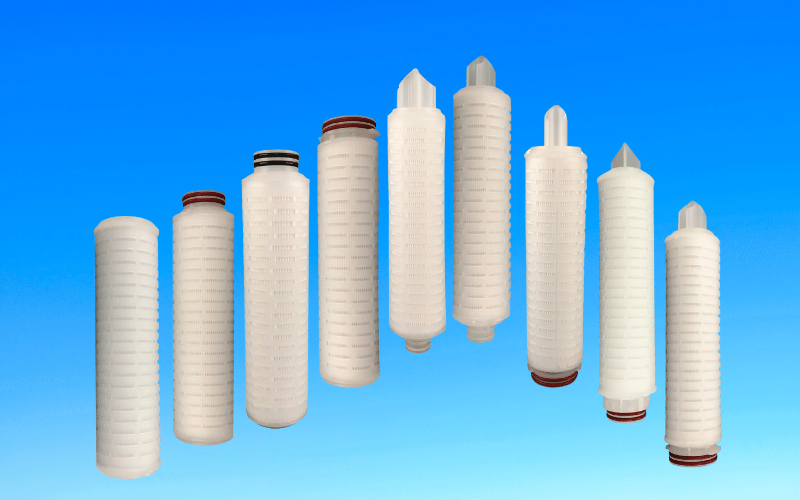
The defining feature of pleated filter cartridges is their folded or accordion-like structure. The filtration medium is arranged in tight, uniform pleats, enabling the cartridge to hold a larger amount of filtration material within the same dimensions as a non-pleated cartridge. This design creates multiple layers of filtration, where particles and impurities are trapped as the liquid or gas flows through.
The pleats act as a series of barriers, capturing contaminants at different points within the medium. This layered approach ensures that the cartridge can handle a higher volume of impurities without clogging quickly. The pleated design also enhances durability, as the evenly distributed pleats prevent stress points and ensure consistent performance throughout the cartridge’s lifespan.
How Pleating Increases Surface Area
The pleated structure dramatically increases the surface area of the filtration medium without requiring a larger cartridge. For instance, a pleated cartridge can offer several times the surface area of a flat or non-pleated cartridge of the same size. This expanded surface area provides more space for contaminants to be captured, improving the cartridge’s overall capacity and efficiency.
With more filtration material available, pleated cartridges can process higher volumes of liquid or gas while maintaining their effectiveness. This increased surface area also allows for finer filtration, enabling the cartridge to capture smaller particles that might bypass non-pleated designs. The result is a filtration system that delivers superior performance without compromising on size or flow rate.
Impact of Increased Surface Area on Filtration Efficiency
The larger surface area in pleated cartridges directly contributes to their enhanced filtration efficiency. By providing more material to trap particles, these cartridges can handle higher impurity loads without clogging as quickly as non-pleated alternatives. This means they maintain consistent performance over a longer period, reducing the need for frequent replacements and minimizing downtime.
Additionally, the increased surface area allows pleated cartridges to achieve finer filtration, capturing microscopic particles that are critical in applications like pharmaceutical production or electronics manufacturing. This precision ensures that the filtered substance meets stringent quality standards, making pleated cartridges a reliable choice for industries where purity is paramount.
Comparison with Non-Pleated Cartridge Designs
Pleated and non-pleated filter cartridges serve different purposes, but the pleated design offers distinct advantages in many scenarios. Non-pleated cartridges feature a flat filtration medium, which limits their surface area and capacity. As a result, they are less efficient in handling high impurity loads or achieving fine filtration.
In contrast, pleated cartridges maximize the available space within the cartridge, making them more efficient for high-demand applications. The increased surface area not only improves their dirt-holding capacity but also supports higher flow rates. Liquids or gases can pass through pleated cartridges more freely, reducing pressure drop and maintaining consistent system performance. Non-pleated designs, on the other hand, may struggle to maintain flow rates under similar conditions, especially as they begin to clog.
By combining efficiency, capacity, and durability, pleated filter cartridges provide a reliable solution for industries that require high-performance filtration systems. Their ability to deliver superior results while reducing operational costs makes them an indispensable component in modern filtration processes.
Key Benefits of Pleated Filter Cartridges
Pleated filter cartridges provide numerous advantages, making them a top choice for industries that demand efficient and reliable filtration. Their innovative design enhances performance, reduces operational costs, and ensures adaptability across a wide range of applications. Below, we delve into the key benefits in greater detail.
Enhanced Filtration Efficiency
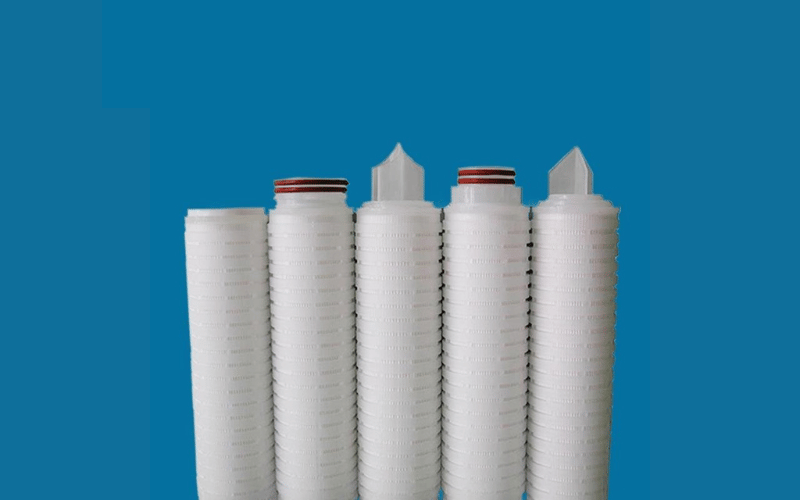
Pleated cartridges are renowned for their superior filtration efficiency, which stems from their ability to capture more particles and deliver consistent results over time. The pleated design significantly increases the surface area of the filtration medium, allowing the cartridge to trap a higher volume of contaminants in a single pass. This makes them particularly effective in applications where precision is critical, such as pharmaceutical production or electronics manufacturing.
With more filtration material available, pleated cartridges can also remove finer particles that might bypass other filter types. This capability ensures that even microscopic impurities are captured, maintaining the purity and quality of the filtered substance. Additionally, the increased capacity of pleated cartridges allows them to maintain consistent filtration performance over extended periods, even in demanding conditions. This reliability makes them indispensable for industries that require both precision and durability in their filtration systems.
Increased Dirt Holding Capacity
The pleated structure of these cartridges enables them to trap a larger volume of contaminants, extending their service life and reducing the need for frequent replacements. The folds in the filtration medium create additional layers for particles to adhere to, maximizing the cartridge’s capacity to hold dirt and debris. This design ensures that the cartridge can handle higher impurity loads without compromising its performance.
Compared to other cartridge types, pleated filters have a significantly longer service life. Their ability to hold more contaminants means they require fewer replacements, which translates to less downtime and lower labor costs. This reduction in filter change-out frequency not only saves time but also ensures uninterrupted system performance, making pleated cartridges a practical and efficient choice for high-demand applications.
Improved Flow Rates and Reduced Pressure Drop
The expanded surface area of pleated cartridges plays a crucial role in improving flow rates and minimizing pressure drop, which are essential for maintaining system efficiency. The pleats allow liquids or gases to pass through the cartridge more freely, reducing resistance and ensuring a steady flow. This design minimizes the strain on the filtration system, allowing it to operate smoothly and efficiently.
A lower pressure drop also has a direct impact on energy consumption. Pumps require less energy to maintain flow when resistance is reduced, leading to significant energy savings over time. Furthermore, pleated cartridges help maintain consistent system pressure by minimizing fluctuations, which protects equipment and ensures reliable performance. This combination of improved flow and reduced energy use makes pleated cartridges a cost-effective solution for industries that prioritize efficiency and sustainability.
Cost-Effectiveness
Pleated filter cartridges offer substantial cost savings throughout their lifespan, making them a smart investment for both small-scale and large-scale operations. Their durability and high dirt-holding capacity reduce the need for frequent replacements, which in turn lowers operational costs. By requiring fewer change-outs, pleated cartridges also reduce labor costs, freeing up resources for other critical tasks.
Another significant advantage is the reduction in waste generation. Longer-lasting cartridges mean fewer discarded filters, which supports sustainability goals and reduces disposal costs. This environmental benefit, combined with the economic savings, makes pleated cartridges an ideal choice for businesses looking to optimize their filtration processes while minimizing their environmental footprint.
By combining enhanced efficiency, increased capacity, improved flow, and cost-effectiveness, pleated filter cartridges deliver unmatched value and performance across a wide range of applications. Their ability to meet the demands of modern filtration systems ensures they remain a preferred choice for industries worldwide.
Versatility in Applications and Materials
Pleated cartridges are highly adaptable, offering a wide range of options to suit different needs.
- Range of Micron Ratings Available: From coarse filtration to fine particle removal, pleated cartridges come in various micron ratings to meet specific requirements.
- Different Media Types (e.g., Polypropylene, Fiberglass): The availability of diverse materials ensures compatibility with a variety of fluids, including chemicals, water, and oils.
- Suitability for Various Fluids and Operating Conditions: Whether used in high-temperature environments or with aggressive chemicals, pleated cartridges deliver reliable performance.
This versatility ensures that pleated cartridges can meet the demands of virtually any application, making them a go-to choice for industries worldwide.
Common Applications of Pleated Filter Cartridges
Pleated filter cartridges are highly versatile and widely used across industries due to their efficiency, durability, and adaptability. Their ability to handle a variety of fluids and gases while maintaining high filtration standards makes them indispensable in numerous critical applications. Below, we explore their role in key industries.
Water Treatment (Municipal, Industrial, Potable, Wastewater)
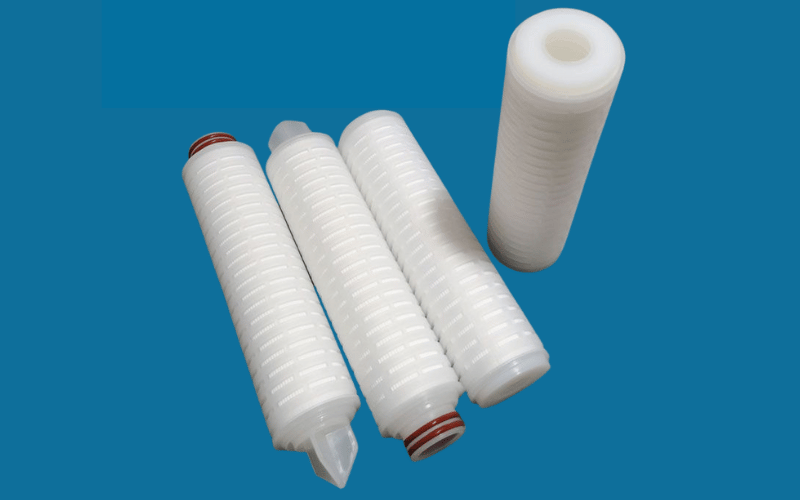
In water treatment, pleated filter cartridges are crucial for maintaining water quality across various applications. In municipal water systems, they effectively remove sediments, bacteria, and other impurities, providing clean and safe drinking water for communities. Their high dirt-holding capacity allows them to handle large volumes of water without frequent replacements, making them cost-effective for large-scale operations.
In industrial water treatment, pleated cartridges protect equipment by filtering out contaminants that could cause damage or reduce efficiency. For potable water filtration, these cartridges ensure compliance with stringent safety standards, removing harmful particles and ensuring the water is safe for human consumption. In wastewater treatment, pleated cartridges play a critical role in removing solids and harmful particles, making treated water safe for discharge or reuse. Their durability and ability to handle demanding conditions make them ideal for these applications.
Chemical Processing
Pleated filter cartridges are vital in chemical processing, where maintaining product purity and protecting equipment are top priorities. These cartridges efficiently filter out solid particles, gels, and other impurities from chemicals, ensuring consistent product quality. Their compatibility with a wide range of chemical compositions, including acids, solvents, and other aggressive substances, makes them suitable for diverse processes.
By maintaining system cleanliness, pleated cartridges reduce downtime and improve operational efficiency. Their ability to withstand harsh chemical environments ensures long-lasting performance, making them a reliable choice for industries that require precision and durability in their filtration systems.
Pharmaceutical Manufacturing
The pharmaceutical industry demands precision and sterility, and pleated filter cartridges deliver on both fronts. These cartridges are designed to remove bacteria, endotoxins, and fine particles, ensuring the safety and efficacy of pharmaceutical products. Their ability to handle high flow rates without compromising filtration quality makes them ideal for sterile filtration and liquid processing.
In addition to their performance, pleated cartridges meet strict regulatory standards, ensuring compliance with industry requirements. This makes them indispensable in critical applications such as vaccine production, intravenous solutions, and other sterile pharmaceutical processes.
Food and Beverage Production
In the food and beverage industry, pleated filter cartridges play a crucial role in enhancing product quality and safety. They effectively filter out sediments, microbes, and other contaminants from liquids such as juices, wines, and dairy products. By ensuring the purity of these products, pleated cartridges help maintain flavor, clarity, and overall quality.
Their use in water filtration is equally important, as clean water is essential for maintaining hygiene standards during production. Whether used for filtering raw ingredients or ensuring the cleanliness of production equipment, pleated cartridges contribute to superior consumer experiences by delivering safe and high-quality products.
Oil and Gas Filtration
The oil and gas industry relies on pleated filter cartridges for efficient filtration in challenging environments. These cartridges are used to remove particulates, water, and other impurities from fuels, oils, and gases, ensuring product quality and protecting equipment from damage. Their durability under high-pressure and high-temperature conditions makes them suitable for upstream, midstream, and downstream operations.
By reducing wear and tear on equipment, pleated cartridges help extend the lifespan of critical components and minimize maintenance costs. Their ability to perform reliably in harsh conditions makes them a trusted solution for the demanding needs of the oil and gas sector.
Electronics Manufacturing
In electronics production, pleated filter cartridges ensure the purity of fluids used in sensitive processes. They are designed to filter out microscopic particles and contaminants from ultrapure water, chemicals, and gases, which are essential for semiconductor and circuit manufacturing.
The precision and reliability of pleated cartridges prevent defects in electronic components, ensuring high-quality production. This level of filtration is critical for maintaining the performance and longevity of electronic devices, making pleated cartridges a key component in the electronics industry.
Air and Gas Filtration
Pleated filter cartridges are also highly effective in air and gas filtration, ensuring clean and safe environments in various settings. They are used to remove dust, aerosols, and other airborne particles in HVAC systems, industrial processes, and cleanrooms.
Their high flow rates and low pressure drop make them energy-efficient while maintaining air quality. This combination of performance and efficiency makes pleated cartridges essential for industries where air purity is a priority, such as healthcare, pharmaceuticals, and electronics. By ensuring clean air, these cartridges contribute to safer and more productive environments.
Selecting the Right Pleated Filter Cartridge
Choosing the correct pleated filter cartridge is crucial for ensuring optimal performance and efficiency in your filtration system. A well-matched cartridge not only meets operational demands but also enhances reliability and cost-effectiveness. To make the right choice, several factors must be carefully evaluated, including the type of contaminants, system requirements, and environmental conditions.
Factors to Consider
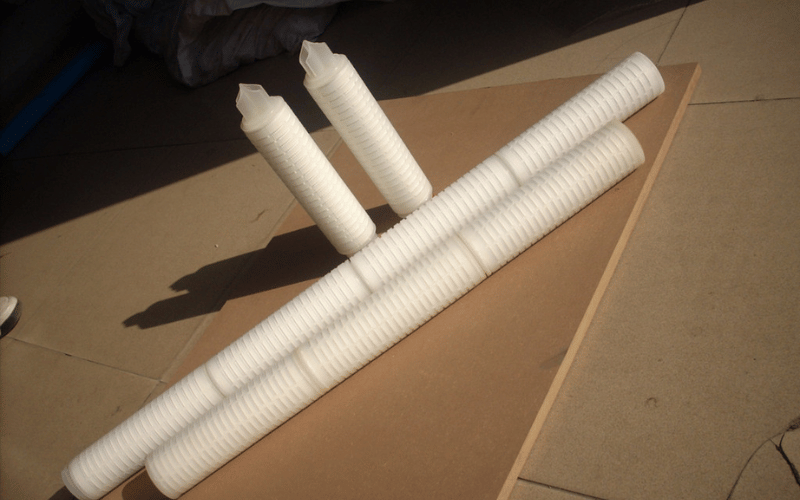
When selecting a pleated filter cartridge, it’s essential to assess the unique requirements of your application. Begin by identifying the type of contaminants that need to be removed, as this will determine the filtration precision required. Additionally, consider the operating environment, such as temperature, pressure, and chemical exposure, to ensure the cartridge can withstand these conditions. By addressing these factors, you can ensure the cartridge delivers consistent results and integrates seamlessly into your system.
Micron Rating Requirements
The micron rating of a filter cartridge determines the size of particles it can capture, making it a critical factor in achieving the desired filtration outcomes. For applications requiring fine filtration, such as pharmaceutical production or electronics manufacturing, cartridges with low micron ratings (e.g., 0.2–1 micron) are ideal for removing microscopic contaminants. These cartridges ensure the highest levels of purity and precision.
In contrast, less critical applications, such as pre-filtration in water treatment, may only require higher micron ratings (e.g., 10–50 microns) to remove larger particles. Selecting the appropriate micron rating ensures the filter meets your purity standards without overburdening the system, maintaining both efficiency and effectiveness.
Flow Rate and Pressure Specifications
The flow rate and pressure drop are vital considerations for maintaining system efficiency. A pleated filter cartridge must be capable of handling the required volume of liquid or gas without restricting flow. Thanks to their increased surface area, pleated cartridges are particularly well-suited for high-flow applications, allowing for smooth and efficient operation.
Pressure drop, or the resistance created as the fluid passes through the filter, is another critical factor. A low-pressure drop minimizes strain on pumps and reduces energy consumption, ensuring the system operates efficiently. Matching the cartridge to your system’s flow and pressure requirements prevents performance issues, reduces wear on equipment, and extends the lifespan of the filtration system.
Chemical Compatibility of Materials
The materials used in a pleated filter cartridge must be compatible with the fluids or gases being filtered to ensure durability and safety. For applications involving aggressive chemicals, such as acids or solvents, cartridges made from chemically resistant materials like polypropylene or fiberglass are ideal. These materials can withstand harsh environments without degrading.
Using incompatible materials can lead to cartridge failure, contamination, or even damage to the filtration system. Always verify the chemical compatibility of the cartridge with your specific application by consulting the manufacturer’s guidelines. This step ensures the cartridge performs reliably and maintains the integrity of the filtration process.
Temperature Limits
Operating temperature is another critical factor when selecting a pleated filter cartridge. For high-temperature applications, such as those in the oil and gas or industrial manufacturing sectors, cartridges made from heat-resistant materials like stainless steel are essential. These materials can withstand elevated temperatures without compromising their structural integrity.
For standard temperature applications, materials like polypropylene are sufficient and provide a cost-effective solution. Exceeding a cartridge’s temperature limit can lead to deformation, reduced filtration efficiency, or even system failure. Ensuring the cartridge is rated for the operating temperature of your system is vital for maintaining performance and safety.
System Design and Housing Compatibility
The pleated filter cartridge must fit seamlessly into your filtration system’s housing and design to ensure proper operation. Begin by verifying that the cartridge matches the dimensions of your filter housing. An improper fit can lead to leaks, reduced filtration efficiency, or even system damage.
Additionally, consider the system configuration. Determine whether your system requires single or multi-cartridge housings and ensure the selected cartridge is compatible with this setup. Proper fit and compatibility are essential for maintaining system efficiency, preventing operational issues, and ensuring reliable performance.
Importance of Consulting Specifications and Product Data Sheets
Before finalizing your selection, always review the manufacturer’s specifications and product data sheets. These documents provide critical details about the cartridge, including micron ratings, flow rates, chemical compatibility, and temperature limits. By consulting this information, you can make an informed decision and avoid costly errors.
Detailed product data ensures the cartridge meets all operational requirements and integrates seamlessly into your system. This step is particularly important for applications with strict regulatory or performance standards, as it guarantees the selected cartridge will deliver reliable and consistent results.
By carefully evaluating these factors, you can select a pleated filter cartridge that not only meets the demands of your application but also enhances the overall efficiency and reliability of your filtration system.
Installation and Maintenance Tips
Proper installation and maintenance of pleated filter cartridges are critical to ensuring their efficiency, longevity, and overall system performance. By following best practices for handling, installation, monitoring, and disposal, you can avoid common issues and maximize the effectiveness of your filtration system.
Proper Handling and Storage
Handling and storing pleated filter cartridges correctly is the first step in maintaining their performance. Cartridges should always be handled with care to prevent physical damage. Tears, dents, or deformation of the pleats can compromise the filtration medium, reducing its ability to capture contaminants effectively.
Storage conditions are equally important. Cartridges should be kept in a clean, dry environment to avoid exposure to dust, moisture, or chemicals that could degrade the materials. For example, storing cartridges in a humid area can lead to mold growth or material weakening, while exposure to harsh chemicals can cause premature wear.
Temperature control is another key factor. Ensure that storage conditions align with the cartridge’s temperature tolerance to maintain its structural integrity. Extreme heat or cold can warp the materials, making them less effective during operation. Proper handling and storage ensure that the cartridge remains in optimal condition until it is ready for installation.
Step-by-Step Installation Guidance
Installing pleated filter cartridges correctly is essential for achieving a proper seal and ensuring efficient filtration. Begin by inspecting both the cartridge and the housing for any visible damage. Even minor defects, such as cracks or debris, can affect the cartridge’s performance. Clean the housing thoroughly to remove any residue or particles that could interfere with the installation.
When positioning the cartridge, ensure it aligns with the designated slots or guides in the housing. Avoid forcing the cartridge into place, as this can damage the pleats or compromise the seal. Once the cartridge is properly positioned, close and seal the housing tightly. Follow the manufacturer’s torque specifications if applicable, as an improperly sealed housing can lead to leaks or reduced filtration efficiency.
After installation, test the system by running it briefly. Check for any leaks, pressure irregularities, or unusual noises, which could indicate that the cartridge is not seated correctly. Following these steps ensures a secure fit and optimal performance from the start, reducing the likelihood of operational issues.
Monitoring Pressure Differential for Optimal Change-Out Timing
Regularly monitoring the pressure differential across the filter cartridge is crucial for determining when it needs to be replaced. As the cartridge captures contaminants, the pressure drop across the filter increases. A rising pressure differential indicates that the cartridge is becoming clogged, which can reduce flow and strain the system.
To ensure timely maintenance, refer to the manufacturer’s recommended pressure differential limits. These thresholds provide guidance on when a cartridge should be replaced to maintain system efficiency. Installing pressure gauges or sensors allows you to track the differential in real time, making it easier to identify when a change-out is necessary.
Monitoring the pressure differential prevents overuse of the cartridge, which can lead to reduced filtration performance and increased wear on system components. By replacing the cartridge at the right time, you can protect the system from strain and ensure consistent performance.
Safe Disposal Procedures
Disposing of used pleated filter cartridges safely and responsibly is essential for environmental compliance and workplace safety. Begin by checking local regulations for disposing of cartridges, especially if they have been used to filter hazardous materials. Improper disposal can result in environmental contamination or legal penalties.
For cartridges exposed to harmful substances, follow decontamination procedures before disposal. This may involve rinsing the cartridge with a neutralizing solution or sealing it in a designated container to prevent leaks. Additionally, consider recycling options for cartridges made from recyclable materials. Recycling not only reduces waste but also supports sustainability efforts by minimizing the environmental impact of discarded filters.
Safe disposal practices ensure compliance with regulations and contribute to a cleaner, more sustainable environment. By handling used cartridges responsibly, you can protect both your workplace and the planet.
FAQs
Q: How often should I change a pleated filter cartridge?
A: You should change a pleated filter cartridge when the pressure differential across the filter exceeds the manufacturer’s recommended limit. Regularly monitor the pressure drop to determine the right time for replacement. Factors like the type of contaminants, flow rate, and operating conditions can also influence the cartridge’s lifespan. Always follow the manufacturer’s guidelines for optimal performance.
Q: Can pleated filter cartridges be cleaned and reused?
A: Some pleated filter cartridges, especially those made from durable materials like stainless steel, can be cleaned and reused. Use appropriate cleaning methods, such as backflushing or chemical cleaning, depending on the cartridge material and the type of contaminants. Always inspect the cartridge after cleaning to ensure it remains intact and effective before reusing it.
Q: What is the difference between absolute and nominal micron ratings?
A: Absolute micron ratings indicate the exact particle size the filter can remove with near 100% efficiency, while nominal micron ratings provide an approximate size range the filter can handle. Absolute ratings ensure precise filtration for critical applications, while nominal ratings work well for less stringent processes. Always choose the rating that matches your application’s requirements.
Q: Are pleated filters suitable for high-viscosity fluids?
A: Yes, pleated filters can handle high-viscosity fluids effectively. Their increased surface area allows for better flow rates and reduced pressure drop, even with thicker fluids. Select a pleated filter designed for high-viscosity applications to ensure optimal performance and durability under demanding conditions.
Q: How does temperature affect pleated filter performance?
A: High temperatures can impact the structural integrity and filtration efficiency of pleated filters. Use filters made from heat-resistant materials, such as stainless steel, for high-temperature applications. Exceeding the temperature limits of the filter material can lead to deformation or reduced performance, so always verify the cartridge’s temperature rating before use.
Concluding Summary
Pleated filter cartridges offer unmatched versatility, efficiency, and cost-effectiveness, making them a cornerstone of advanced filtration systems. Their pleated design not only increases surface area but also enhances filtration precision, dirt-holding capacity, and flow rates, ensuring reliable performance across diverse industries. From water treatment to pharmaceutical production, these cartridges deliver consistent results while reducing operational costs and environmental impact. By understanding their unique features and proper maintenance practices, businesses can optimize their filtration processes and achieve superior outcomes.

