

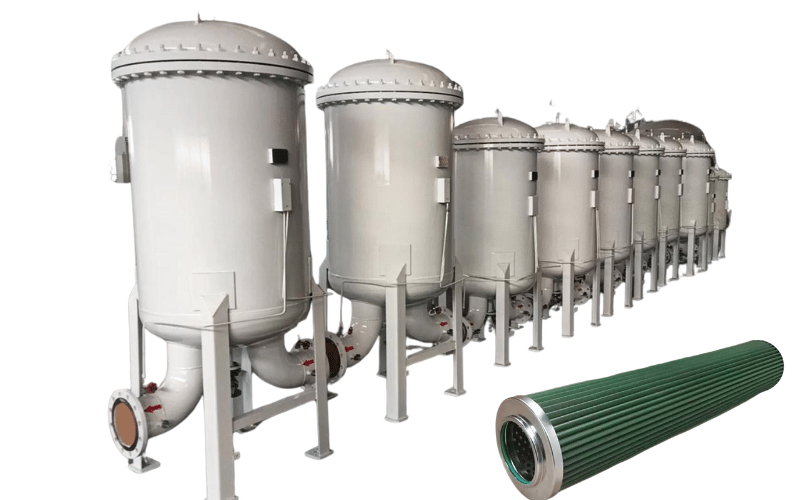
Coalescer separator cartridges play a vital role in maintaining the efficiency and reliability of industrial processes. These cartridges are essential for removing contaminants from fluids, ensuring that machinery operates smoothly and without interruption. Fluid contamination is a common challenge in industries, often leading to equipment damage, reduced performance, and costly downtime. By addressing these issues, coalescer separator cartridges help protect valuable equipment and maintain operational efficiency.
Many industrial operators face the challenge of selecting the right cartridge for their specific needs. They worry about balancing performance, cost, and maintenance requirements. I have worked with numerous clients who struggle with fluid contamination and equipment wear, and I understand the importance of choosing the right solution. This guide aims to provide practical tips, industry insights, and expert advice to help you make informed decisions.
In this guide, you will learn how to select the most suitable coalescer separator cartridge for your application, understand its function in detail, and implement effective maintenance practices. Whether you’re new to these systems or looking to optimize your current setup, this resource will equip you with the knowledge to enhance your industrial processes and protect your equipment.
What Are Coalescer Separator Cartridges?
Coalescer separator cartridges are the unsung heroes of industrial filtration, working tirelessly to ensure fluid purity and system reliability. To fully appreciate their value, let’s break down what they are, why they matter, and where they are most commonly used.
Definition and Purpose
At their core, coalescer separator cartridges are specialized filtration components designed to separate immiscible liquids—such as water and oil—while also removing particulates from fluids. Think of them as skilled mediators, resolving the conflict between incompatible liquids and ensuring that only the desired fluid continues through the system.
These cartridges operate by coalescing, or merging, small droplets of water or other contaminants into larger ones. Once the droplets grow in size, they become easier to separate from the primary fluid. This process ensures that the fluid remains clean and free of impurities, protecting downstream equipment and maintaining operational efficiency.
Imagine a refinery processing crude oil. Without coalescer separator cartridges, water and particulates would infiltrate the system, causing corrosion, blockages, and costly downtime. These cartridges step in as the refinery’s first line of defense, ensuring smooth and uninterrupted operations.
Why They Matter
The importance of coalescer separator cartridges extends far beyond their technical function. They directly impact fluid quality, which serves as the lifeblood of many industrial processes. Contaminated fluids can lead to equipment damage, reduced performance, and even complete system failures. By removing water and particulates, these cartridges protect critical machinery, reduce maintenance costs, and enhance overall efficiency.
As someone who has spent years in the industrial filtration industry, I’ve seen firsthand how neglecting proper filtration can lead to catastrophic consequences. On the flip side, I’ve also witnessed how the right coalescer separator cartridge can transform operations, improving reliability and extending the lifespan of expensive equipment.
For example, in the aviation industry, even trace amounts of water in jet fuel can freeze at high altitudes, jeopardizing flight safety. Coalescer separator cartridges ensure that fuel meets stringent quality standards, safeguarding both aircraft and passengers.
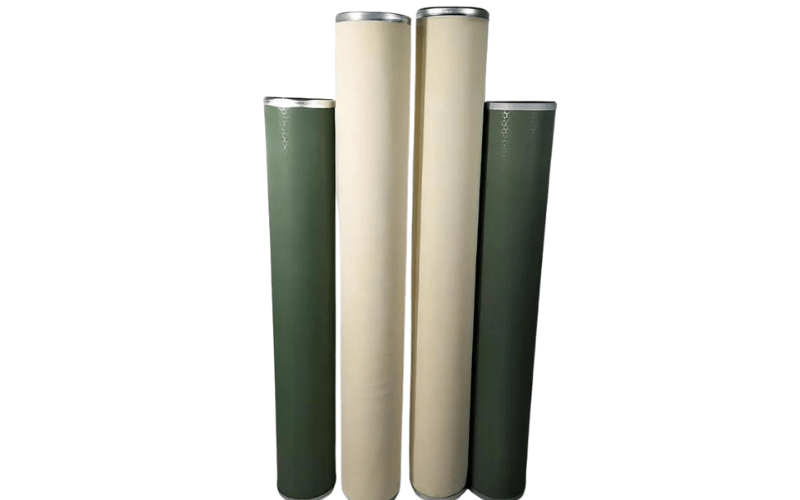
Common Applications
Coalescer separator cartridges are indispensable across a wide range of industries, each with its own unique challenges and requirements.
- Oil and Gas: These cartridges ensure that fuels and lubricants remain free of water and particulates, protecting pipelines, engines, and other critical equipment.
- Chemical Processing: In this sector, coalescer cartridges maintain the purity of products and protect sensitive equipment from contamination.
- Aviation: Jet fuel quality is non-negotiable, and coalescer cartridges play a vital role in removing water and particulates to meet strict industry standards.
- Power Generation: Turbines and other machinery rely on clean lubrication oil to operate efficiently, and coalescer cartridges ensure that this vital fluid remains contaminant-free.
From marine operations to food and beverage processing, these cartridges are a cornerstone of industrial efficiency. Their versatility and effectiveness make them a trusted solution for industries where fluid purity is critical.
By understanding the definition, purpose, and applications of coalescer separator cartridges, you’re already taking the first step toward optimizing your industrial processes. Let’s dive deeper into how these cartridges work and the principles that make them so effective.
How Do Coalescer Separator Cartridges Work?
Understanding how coalescer separator cartridges function is key to appreciating their value in industrial processes. These cartridges are not just passive components; they actively engage with the fluid, using physics and engineering principles to ensure optimal separation. Let’s break down their operation into clear, actionable insights.
Core Principles of Separation
At the heart of coalescer separator cartridges lies the principle of coalescence—the process of merging small droplets into larger ones. Imagine tiny water droplets suspended in oil, like scattered raindrops on a windshield. The coalescer cartridge encourages these droplets to come together, forming larger, heavier drops that are easier to separate from the fluid.
This process relies on three fundamental forces: gravity, surface tension, and fluid dynamics. Gravity pulls the larger droplets downward, away from the primary fluid. Surface tension helps the droplets cling together, while fluid dynamics guide the flow to ensure efficient separation. It’s a delicate dance of physics, and the cartridge is the choreographer, orchestrating these forces to achieve clean, contaminant-free fluid.
Filtration vs. Coalescence
It’s important to distinguish between filtration and coalescence, as they serve different purposes. Filtration focuses on removing solid particles from a fluid, like a sieve catching sand from water. Coalescence, on the other hand, deals with separating immiscible liquids, such as water from oil.
Think of it this way: filtration is about catching the “crumbs,” while coalescence is about separating the “oil spill.” Both are critical, but they address different challenges. A well-designed coalescer separator cartridge often combines these functions, ensuring that both solids and liquids are effectively removed from the fluid.
Two-Stage Separation Systems
Coalescer separator cartridges typically operate within a two-stage separation system. The first stage involves the coalescer element, which is responsible for merging small droplets into larger ones. This element is made of specialized materials that encourage coalescence, such as fiberglass or other hydrophilic media.
Once the larger droplets are formed, the second stage—the separator element—takes over. This stage prevents the coalesced water droplets from re-entering the fluid stream. Separator elements are often made of hydrophobic materials, which repel water and ensure that only the clean fluid passes through.
Picture this system as a relay race: the coalescer element hands off the “baton” (the larger droplets) to the separator element, which ensures a clean finish. Together, these two stages work in harmony to deliver pure, contaminant-free fluid.
By understanding these core principles, you can better appreciate the sophistication and precision of coalescer separator cartridges. They’re not just filters; they’re highly engineered solutions designed to tackle complex industrial challenges. Let’s explore how to select the right cartridge for your specific needs.
Key Features and Types of Cartridges
To truly understand coalescer separator cartridges, you need to look under the hood—examining their structure, variations, and innovative features. These cartridges are more than just components; they are precision-engineered tools designed to tackle specific industrial challenges. Let’s dive into their anatomy, types, and standout features.
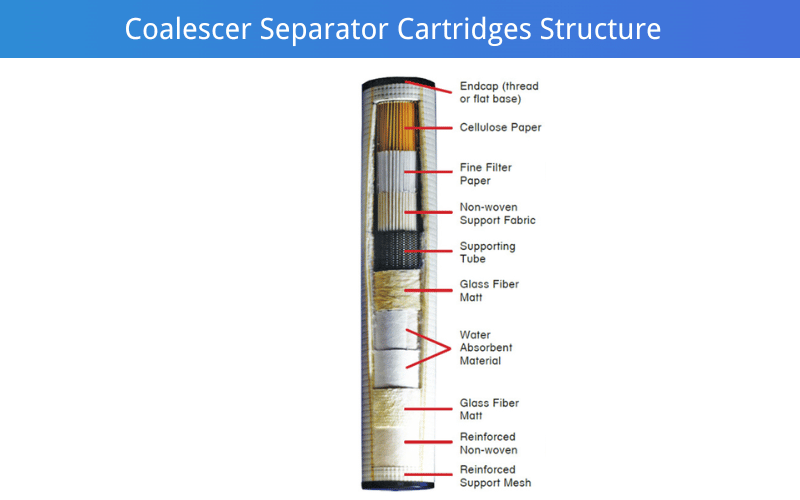
Anatomy of a Cartridge
Every coalescer separator cartridge is a carefully constructed system, with each part playing a critical role. At its core is the multi-layer media, the heart of the cartridge, responsible for both filtration and coalescence. These layers are often made from materials like fiberglass or synthetic media, chosen for their ability to attract and merge water droplets while filtering out particulates.
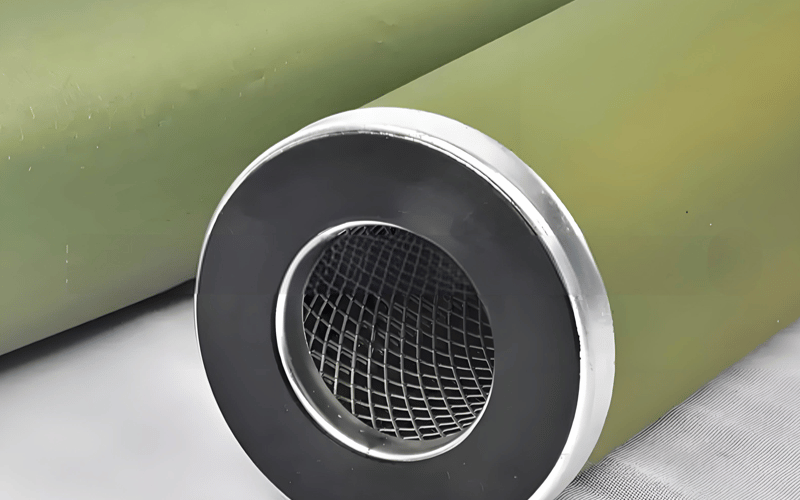
The core provides structural integrity, ensuring the cartridge can withstand high pressures and flow rates without collapsing. Surrounding the core are the end caps, which secure the media and provide a tight seal within the housing. Finally, the seals—often made of elastomers like Viton or Buna-N—prevent fluid bypass, ensuring that every drop of fluid passes through the filtration media.
Think of the cartridge as a well-trained team: the media does the heavy lifting, the core provides strength, and the seals ensure no shortcuts are taken. Together, they deliver clean, contaminant-free fluid to your system.
Types of Cartridges
Coalescer separator cartridges come in various types, each tailored to specific applications. One key distinction is between horizontal flow and vertical flow cartridges. Horizontal flow cartridges are ideal for systems with limited vertical space, while vertical flow cartridges are better suited for high-capacity applications where gravity aids in separation.
For demanding environments, high-efficiency cartridges are a game-changer. These options are designed to handle fine particulates and emulsified water, making them perfect for industries like aviation and chemical processing. They often feature advanced media with higher filtration accuracy, ensuring even the smallest contaminants are removed.
As someone who has worked with countless clients across industries, I always emphasize the importance of selecting the right type of cartridge for your specific needs. A mismatch can lead to inefficiencies, increased maintenance, and even equipment damage.
Innovative Features
Modern coalescer separator cartridges are packed with innovative features that enhance their performance and longevity. One standout feature is high dirt-holding capacity, which allows the cartridge to capture more contaminants before requiring replacement. This reduces downtime and maintenance costs, a critical advantage in high-demand operations.
Another key feature is longer service life, achieved through advanced materials and construction techniques. These cartridges are built to last, even in harsh conditions, providing reliable performance over extended periods.
Finally, high filtration accuracy ensures that even the smallest particles and droplets are removed, protecting sensitive equipment and maintaining fluid purity. This level of precision is especially important in industries like aviation, where even minor contamination can have serious consequences.
By understanding the anatomy, types, and features of coalescer separator cartridges, you can make informed decisions that optimize your operations. These cartridges are not just tools; they are your allies in maintaining efficiency, protecting equipment, and ensuring the quality of your processes. Let’s move on to how you can select the perfect cartridge for your specific application.
Applications Across Industries
Coalescer separator cartridges are the backbone of many industrial operations, quietly working behind the scenes to ensure fluid purity and system reliability. Their versatility allows them to address unique challenges across a variety of industries. Let’s explore how these cartridges serve as indispensable tools in fuel management, natural gas processing, petrochemical refining, and power generation.
Fuel and Aviation
In the fuel and aviation sectors, coalescer separator cartridges are nothing short of lifesavers. Their primary role is to remove water from jet fuel, diesel, and other fuels, ensuring that the fluid meets stringent quality standards. Water contamination in fuel can lead to engine corrosion, reduced efficiency, and even catastrophic failures.
Picture a jet engine preparing for takeoff. The fuel coursing through its system must be pristine, free of water and particulates. Coalescer cartridges act as vigilant guardians, ensuring that only clean, dry fuel reaches the engine. This not only protects the aircraft but also ensures passenger safety.
As someone who has worked closely with aviation clients, I’ve seen how critical these cartridges are in meeting industry standards like ASTM D1655 for jet fuel. Without them, compliance becomes a gamble, and the risks far outweigh the costs of proper filtration.
Natural Gas Processing
In natural gas processing, the stakes are equally high. Aerosolized liquids, such as water and hydrocarbons, can wreak havoc on compressors and other equipment. Coalescer separator cartridges step in to eliminate these contaminants, ensuring smooth and efficient operations.
Imagine a natural gas plant running at full capacity. The compressors, the heart of the operation, rely on clean gas to function without interruption. Coalescer cartridges ensure that no liquid contaminants make their way into the system, protecting the equipment and preventing costly downtime.
From my experience, I always advise clients in this sector to invest in high-efficiency cartridges designed specifically for aerosol removal. The upfront cost is a small price to pay for the long-term benefits of equipment protection and operational reliability.
Petrochemical and Refining
In the petrochemical and refining industries, separating oil and water mixtures is a daily challenge. Coalescer separator cartridges excel in this application, ensuring product purity and process efficiency.
Think of a refinery producing high-grade lubricants or fuels. Any water contamination can compromise the quality of the final product, leading to customer complaints and potential financial losses. Coalescer cartridges act as the refinery’s quality control team, removing water and ensuring that the product meets exacting standards.
Having worked with numerous refineries, I’ve seen how the right cartridge can make or break a process. Selecting a cartridge with the appropriate media and flow capacity is crucial for achieving consistent results.
Power Generation
In power generation, turbines are the workhorses that keep the lights on. These turbines rely on clean lubrication oil to operate efficiently and avoid wear and tear. Coalescer separator cartridges play a vital role in maintaining the purity of this oil, removing water and particulates that can cause damage.
Picture a power plant running 24/7 to meet energy demands. The turbines, spinning at incredible speeds, depend on clean oil to function without interruption. Coalescer cartridges ensure that the oil remains free of contaminants, extending the life of the turbines and reducing maintenance costs.
From my years in the industry, I’ve learned that power plants cannot afford to cut corners when it comes to filtration. Investing in high-quality coalescer cartridges is not just a best practice—it’s a necessity for long-term operational success.
By understanding the specific applications of coalescer separator cartridges across industries, you can better appreciate their value and importance. These cartridges are not just components; they are the unsung heroes that keep systems running smoothly, efficiently, and safely. Let’s now explore how to maintain these vital tools for optimal performance.
How to Choose the Right Cartridge
Selecting the right coalescer separator cartridge is not just a technical decision—it’s a strategic one. The wrong choice can lead to inefficiencies, equipment damage, and skyrocketing costs, while the right cartridge can transform your operations. Let’s break down the key factors to consider, so you can make an informed decision that balances performance, reliability, and cost-effectiveness.
Fluid Characteristics
The first step in choosing the right cartridge is understanding the fluid it will handle. Every fluid has unique characteristics, and your cartridge must be compatible with them to perform effectively.
Start by considering the viscosity of the fluid. Thicker fluids, like heavy oils, require cartridges with lower flow resistance to ensure smooth operation. On the other hand, low-viscosity fluids, such as jet fuel, demand cartridges that can handle high flow rates without compromising separation efficiency.
Next, evaluate the density of the fluid and the contaminants it contains. For example, separating water from oil requires a cartridge that can exploit the density difference between the two liquids. Finally, ensure chemical compatibility between the fluid and the cartridge materials. A mismatch here can lead to media degradation, reduced performance, and even system failure.
From my experience, I always recommend consulting the fluid’s Material Safety Data Sheet (MSDS) and working closely with your cartridge supplier to ensure compatibility. This proactive approach can save you from costly mistakes down the line.
Performance Metrics
Once you’ve assessed the fluid characteristics, it’s time to focus on the performance metrics that matter most: separation efficiency, flow rate, and lifespan.
Separation efficiency is the cartridge’s ability to remove contaminants, typically measured as a percentage. For critical applications, such as aviation or chemical processing, aim for cartridges with efficiency ratings of 99.9% or higher. This ensures that even the smallest droplets and particulates are removed, protecting your equipment and maintaining product quality.
Flow rate is another crucial factor. A cartridge with a low flow rate can create bottlenecks in your system, while one with an excessively high flow rate may compromise separation efficiency. Strike a balance by selecting a cartridge that matches your system’s flow requirements without sacrificing performance.
Finally, consider the lifespan of the cartridge. High-quality cartridges may have a higher upfront cost, but their extended service life and reduced maintenance needs often make them more cost-effective in the long run.
Cost vs. Value
When evaluating cartridges, it’s tempting to focus solely on the price tag. However, as a seasoned expert, I can tell you that cost and value are not the same thing. A cheaper cartridge may save you money upfront, but if it requires frequent replacements or leads to equipment damage, the long-term costs can far outweigh the initial savings.
Instead, take a lifecycle cost approach. Consider not just the purchase price, but also the costs of installation, maintenance, and replacement. High-quality cartridges with features like high dirt-holding capacity and longer service life may have a higher initial cost, but they often deliver better value by reducing downtime and maintenance expenses.
Additionally, think about the maintenance requirements of the cartridge. Some cartridges are easier to install and replace than others, saving you time and labor costs. Others may require specialized tools or expertise, adding to the overall expense.
By weighing these factors carefully, you can choose a cartridge that delivers the best value for your specific application. Remember, the right cartridge is an investment in your system’s efficiency, reliability, and longevity.
With these guidelines in mind, you’re well-equipped to make an informed decision. Let’s now explore how to maintain your cartridges to ensure they continue performing at their best.
Installation, Operation, and Maintenance Tips
Installing and maintaining coalescer separator cartridges is not just a routine task—it’s a critical step in ensuring the efficiency and longevity of your filtration system. As someone who has spent years troubleshooting filtration challenges, I can tell you that attention to detail during installation and maintenance can save you from costly headaches down the road. Let’s walk through the best practices for installation, operation, and maintenance to keep your system running smoothly.
Installation Best Practices
Proper installation is the foundation of effective filtration. Even the best cartridge will fail to perform if it’s not installed correctly. Start by ensuring a proper seal between the cartridge and the housing. A loose or misaligned seal can allow unfiltered fluid to bypass the cartridge, rendering it ineffective. Always double-check the seals and gaskets for wear or damage before installation.
Next, pay attention to the orientation of the cartridge. Many coalescer separator cartridges are designed for a specific flow direction, typically indicated by arrows on the cartridge. Installing the cartridge in the wrong orientation can disrupt the separation process and reduce efficiency.
Finally, follow proper startup procedures to avoid sudden pressure surges that can damage the cartridge. Gradually increase the flow rate to allow the system to stabilize, and monitor for any leaks or irregularities during the initial operation.
Monitoring System Health
Once the cartridge is installed, the next step is to keep a close eye on your system’s health. The two most important metrics to monitor are differential pressure and fluid quality.
Differential pressure is the difference in pressure between the inlet and outlet of the cartridge. A rising differential pressure indicates that the cartridge is becoming clogged with contaminants and may need replacement. Most systems are equipped with pressure gauges or sensors to track this metric, but it’s essential to set thresholds and alarms to prevent overloading the cartridge.
Fluid quality is another critical indicator. Regularly test the fluid for contaminants, such as water content and particulate levels, to ensure the cartridge is performing as expected. If you notice a decline in fluid quality, it may be time to inspect the cartridge or the system for issues.
From my experience, I recommend setting up a routine monitoring schedule and training your team to recognize early warning signs of cartridge failure. Proactive monitoring can prevent small issues from escalating into major problems.
Maintenance Guidelines
Maintenance is where many systems falter, but it doesn’t have to be complicated. Start with the safe removal and disposal of spent cartridges. Used cartridges often contain hazardous contaminants, so it’s crucial to follow proper disposal protocols to comply with environmental regulations. Wear appropriate personal protective equipment (PPE) and handle the cartridges carefully to avoid spills or exposure.
Establishing replacement schedules is another key aspect of maintenance. Waiting until a cartridge fails can lead to system downtime and potential damage. Instead, base your replacement schedule on factors like differential pressure readings, fluid quality tests, and the manufacturer’s recommendations. For high-demand applications, consider keeping spare cartridges on hand to minimize downtime during replacements.
As someone who has worked with countless clients, I always emphasize the importance of documenting your maintenance activities. Keep a log of cartridge replacements, pressure readings, and fluid quality tests to track trends and identify potential issues before they become critical.
By following these installation, operation, and maintenance tips, you can maximize the performance and lifespan of your coalescer separator cartridges. These best practices are not just about keeping your system running—they’re about protecting your investment and ensuring the reliability of your operations. Let’s move on to troubleshooting common issues and how to address them effectively.
FAQs About Coalescer Separator Cartridges
Q: What causes premature cartridge failure?
A: Premature cartridge failure often results from improper installation, using the wrong cartridge for the application, or neglecting regular maintenance. For example, failing to ensure a proper seal during installation can allow contaminants to bypass the cartridge, reducing its effectiveness. Using a cartridge that isn’t compatible with the fluid’s chemical properties or operating conditions can also lead to media degradation. Additionally, ignoring rising differential pressure or delaying cartridge replacement can overload the system, causing the cartridge to fail sooner than expected. Always follow manufacturer guidelines and monitor system health to avoid these issues.
Q: How do I dispose of used cartridges properly?
A: To dispose of used cartridges properly, start by identifying the type of contaminants they contain. Many spent cartridges hold hazardous materials, such as hydrocarbons or chemicals, which require special handling. Wear appropriate PPE and place the cartridges in approved disposal containers to prevent leaks or spills. Check local environmental regulations to determine whether the cartridges need to be treated as hazardous waste. Partnering with a certified waste disposal service ensures compliance and safe handling. Never discard used cartridges in regular trash bins, as this can lead to environmental contamination.
Q: Can one cartridge handle both oil and water separation?
A: Yes, some coalescer separator cartridges are designed to handle both oil and water separation, but their effectiveness depends on the specific application. These dual-function cartridges use advanced multi-layer media to coalesce water droplets and separate oil simultaneously. However, not all cartridges are suitable for every fluid type or operating condition. Always consult the manufacturer’s specifications to ensure the cartridge can meet your system’s requirements. For highly specialized applications, using separate cartridges for oil and water separation may deliver better results.
Q: How does temperature affect coalescence efficiency?
A: Temperature significantly impacts coalescence efficiency by altering fluid properties like viscosity and surface tension. Higher temperatures reduce fluid viscosity, allowing water droplets to move more freely and coalesce more easily. However, extremely high temperatures can degrade the cartridge media, reducing its effectiveness. On the other hand, lower temperatures increase fluid viscosity, making it harder for droplets to merge and separate. To maintain optimal efficiency, select cartridges designed to handle your system’s temperature range and monitor operating conditions closely.
Conclusion
Coalescer separator cartridges play a critical role in maintaining fluid purity and protecting equipment across various industries. By ensuring clean, contaminant-free fluids, these cartridges safeguard operations, enhance efficiency, and extend the lifespan of vital machinery. Applying the tips shared in this guide will help you optimize performance, reduce downtime, and lower overall costs. If you’re ready to take the next step, explore our range of high-quality cartridges or contact our team for expert advice tailored to your specific needs.

