

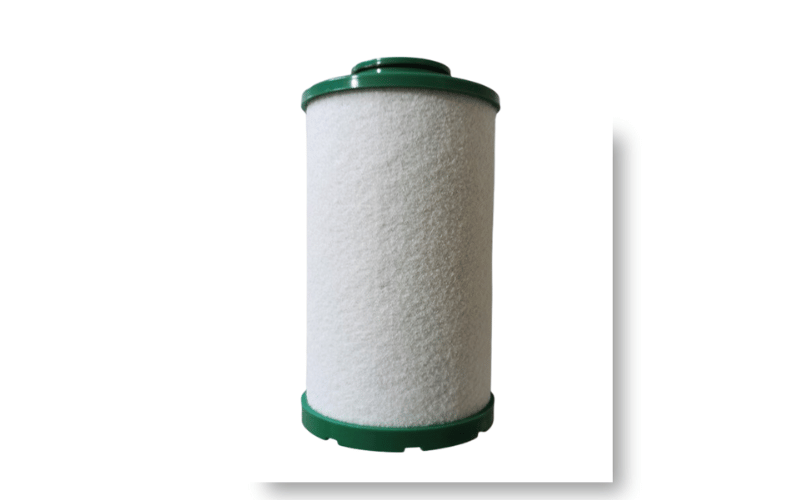
Coalescing filters play a vital role in industrial processes by removing contaminants from fluids and air. These filters are designed to capture fine particles, aerosols, and even vaporized oils, ensuring cleaner outputs and protecting sensitive equipment. Contamination in fluids and air can lead to serious problems, such as equipment wear, reduced efficiency, and costly downtime. For example, oil mist in compressed air systems can damage pneumatic tools, while water droplets in fuel lines can disrupt engine performance. Coalescing filters address these challenges by efficiently separating unwanted substances, keeping systems running smoothly.
In this guide, I’ll explain how coalescing filters work, their key benefits, and where they are most effectively used. Whether you’re dealing with compressed air systems, hydraulic fluids, or fuel lines, understanding these filters can help you improve system performance and reduce maintenance costs. Let’s explore the science behind coalescing filters and how they contribute to cleaner, more efficient operations.
What is a Coalescing Filter?
A coalescing filter is a specialized filtration device designed to remove liquid droplets, aerosols, and fine particulates from gas or liquid streams. Think of it as the gatekeeper of your system, ensuring that only clean, contaminant-free fluids or air pass through. Its unique design allows it to capture and combine (or “coalesce”) tiny droplets into larger ones, making them easier to separate and remove. This process ensures that your system operates efficiently and reliably.
Key Contaminants Targeted
Coalescing filters are engineered to tackle some of the most troublesome contaminants in industrial processes:
- Oil Mist: These filters excel at capturing microscopic oil aerosols that can wreak havoc on compressed air systems, pneumatic tools, and downstream equipment. Without proper filtration, oil mist can lead to equipment failure and product contamination.
- Water Droplets: Moisture in gas or liquid streams can corrode equipment, reduce efficiency, and compromise product quality. Coalescing filters effectively remove water droplets, protecting your system from these risks.
- Fine Solids: Even the smallest solid particles can cause wear and tear on sensitive components. Coalescing filters trap these fine particulates, ensuring smoother operations and longer equipment life.
By targeting these specific contaminants, coalescing filters act as a safeguard, preventing damage and maintaining the integrity of your processes.
Why They Matter
Coalescing filters are more than just a line of defense—they are an investment in the health and efficiency of your system. Contaminants like oil mist and water droplets may seem minor, but their impact can be significant. They can corrode pipelines, clog equipment, and even lead to costly downtime. By removing these impurities, coalescing filters:
- Protect Equipment: They shield critical components from damage, reducing the need for frequent repairs or replacements.
- Improve Efficiency: Clean fluids and air allow systems to operate at peak performance, saving energy and reducing operational costs.
- Ensure Product Purity: In industries like food and beverage, pharmaceuticals, and electronics, product purity is non-negotiable. Coalescing filters help maintain the highest standards of cleanliness.
When you think about it, a coalescing filter is like a diligent worker in your system—quietly and efficiently doing its job to keep everything running smoothly. Understanding its role and importance is the first step toward optimizing your filtration processes.
How Do Coalescing Filters Work?
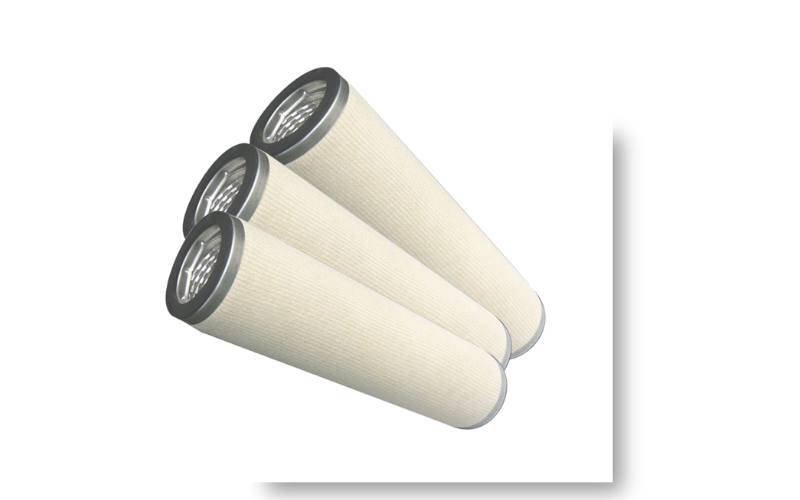
Coalescing filters operate through a precise, multi-step process that ensures the removal of contaminants from gas or liquid streams. Each step plays a critical role in transforming contaminated fluids into clean, usable outputs. Let’s break down the process to understand how these filters achieve such impressive results.
Step 1: Impingement and Collection
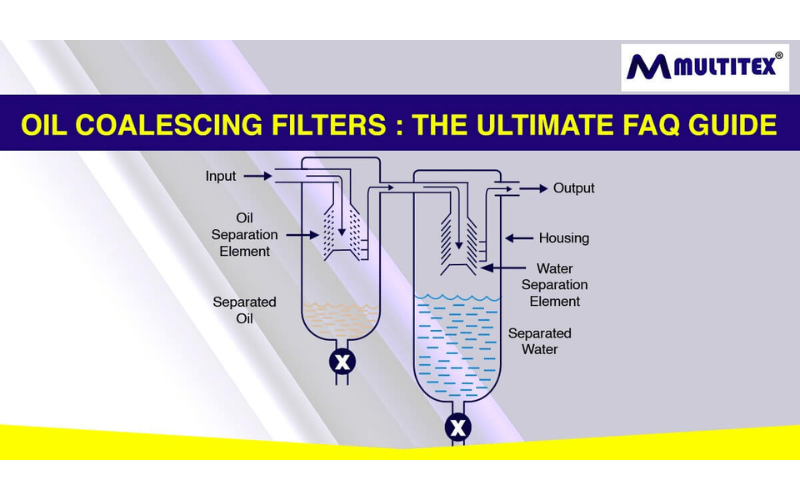
The journey begins as the contaminated fluid enters the coalescing filter. At this stage, the filter media acts as a welcoming mat, but only for the right guests. Aerosols, fine particles, and liquid droplets collide with the filter fibers and adhere to them. This initial step is all about capturing the unwanted intruders—oil mist, water droplets, and fine solids—before they can cause harm to your system.
The filter media is designed with precision, using a dense network of fibers to maximize surface area. This ensures that even the tiniest contaminants don’t slip through. Think of this step as a security checkpoint, where every particle is stopped and accounted for.
Step 2: Coalescence
Once the contaminants are captured, the real magic happens—coalescence. The small liquid droplets trapped on the filter fibers begin to merge, forming larger droplets. This process is driven by surface tension and the unique properties of the filter media, which encourage the droplets to combine.
As the droplets grow in size, they become easier to separate from the fluid or air stream. This step is the heart of the coalescing process, where the filter transforms a chaotic mix of tiny particles into manageable, larger droplets. It’s like turning scattered raindrops into a steady stream of water, ready to be removed efficiently.
Step 3: Separation and Drainage
With larger droplets formed, the final step is separation and drainage. Gravity takes over, pulling the droplets downward to the bottom of the filter. From there, the collected liquid is drained away, leaving behind clean fluid or air.
The design of the filter housing plays a crucial role here, ensuring that the separated liquid doesn’t re-enter the clean stream. The clean fluid or air exits the filter, ready to continue its journey through your system. This step is the grand finale, where the filter delivers on its promise of purity and efficiency.
By following this three-step process, coalescing filters provide a reliable solution for removing contaminants and protecting your equipment. Each stage works in harmony, ensuring that your system operates smoothly and efficiently. If you could peek inside a coalescing filter, you’d see a well-orchestrated performance, with every fiber and droplet playing its part to perfection.
Benefits of Coalescing Filters
Coalescing filters are more than just a component in your system—they are a strategic investment in efficiency, reliability, and cost savings. By understanding their benefits, you can appreciate why they are indispensable in industrial processes. Let’s explore the key advantages they bring to the table.
High Efficiency in Removing Contaminants
Coalescing filters excel at capturing even the smallest contaminants, including oil aerosols, water droplets, and fine particulates. Their dense filter media is engineered to trap these impurities with precision, ensuring that your fluid or air stream meets the highest cleanliness standards. For example, in compressed air systems, coalescing filters can remove particles as small as 0.01 microns, leaving no room for harmful contaminants to linger. This level of efficiency not only protects your system but also ensures compliance with industry regulations and quality standards.
Protection for Downstream Equipment and Systems
Contaminants like oil mist and water can wreak havoc on downstream equipment, causing corrosion, clogging, and premature wear. Coalescing filters act as a shield, preventing these impurities from reaching sensitive components such as pneumatic tools, valves, and sensors. By keeping your equipment clean and contaminant-free, these filters reduce the risk of unexpected breakdowns and ensure smooth, uninterrupted operations. Think of them as the bodyguards of your system, standing between your equipment and potential damage.
Lower Maintenance Costs and Extended Equipment Lifespan
When contaminants are effectively removed, your equipment doesn’t have to work as hard to maintain performance. This reduces wear and tear, leading to fewer repairs and replacements. Additionally, coalescing filters themselves are designed for durability, often requiring only periodic cleaning or replacement. By reducing the frequency of maintenance and extending the lifespan of both the filter and your equipment, you save time and money in the long run. It’s like giving your system a stress-free environment to thrive in.
High Flow Rates with Minimal Pressure Drop
One of the standout features of coalescing filters is their ability to maintain high flow rates while minimizing pressure drop. The filter media is carefully designed to balance efficiency and flow, ensuring that your system operates at peak performance without unnecessary energy consumption. For instance, in a compressed air system, a well-designed coalescing filter can deliver clean air without significantly reducing pressure, which translates to energy savings and consistent output. It’s the perfect blend of power and efficiency, keeping your operations running smoothly.
By incorporating coalescing filters into your system, you gain a powerful ally in the fight against contamination. Their ability to remove impurities, protect equipment, reduce costs, and maintain efficiency makes them an essential component in any industrial process. With coalescing filters in place, you can focus on what matters most—delivering reliable, high-quality results.
Applications of Coalescing Filters
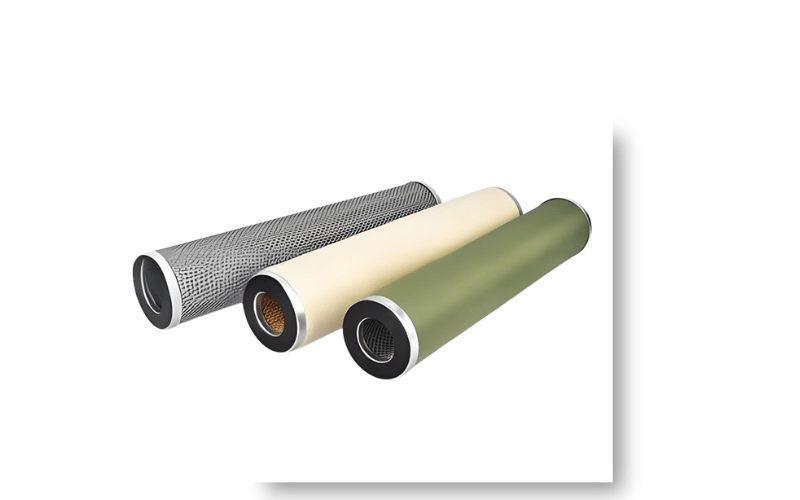
Coalescing filters are versatile workhorses, designed to tackle contamination challenges across a wide range of industries. Their ability to remove fine aerosols, liquid droplets, and particulates makes them indispensable in processes where cleanliness and efficiency are non-negotiable. Let’s explore some of the key applications where coalescing filters shine.
Compressed Air Systems
Compressed air systems rely on clean, dry air to function effectively, and coalescing filters play a critical role in achieving this. These filters remove oil aerosols, water droplets, and fine particulates from the air stream, ensuring that downstream tools and equipment remain protected.
For example, pneumatic tools, such as drills and grinders, can suffer from reduced performance or even failure if exposed to oil mist or moisture. Coalescing filters prevent these contaminants from reaching the tools, extending their lifespan and maintaining consistent performance. Additionally, in industries like food and beverage, where compressed air often comes into contact with products, coalescing filters ensure that the air meets strict purity standards. Think of these filters as the gatekeepers of your compressed air system, ensuring only clean air gets through.
Oil & Gas Industry
In the oil and gas sector, coalescing filters are essential for separating liquid hydrocarbons and water from gas streams. This separation is critical for protecting downstream equipment, such as compressors and turbines, from damage caused by liquid contamination.
For instance, in natural gas processing, coalescing filters remove water and liquid hydrocarbons to prevent corrosion in pipelines and ensure the gas meets quality specifications. By efficiently separating these contaminants, coalescing filters help maintain the integrity of the system and reduce the risk of costly downtime. They act as the unsung heroes of the oil and gas industry, quietly ensuring smooth operations.
Petrochemical Industry
The petrochemical industry depends on coalescing filters to purify process streams and protect sensitive equipment. These filters remove fine particulates, oil aerosols, and water droplets from gases and liquids, ensuring that processes run smoothly and products meet quality standards.
For example, in the production of polymers, coalescing filters prevent contaminants from interfering with chemical reactions, which could compromise the final product. They also protect heat exchangers, pumps, and other equipment from fouling and corrosion. In this industry, coalescing filters are like the quality control experts, ensuring every process runs with precision and reliability.
Other Uses
Beyond these major industries, coalescing filters find applications in a variety of specialized areas:
- Natural Gas Dehumidification: Removing moisture from natural gas to prevent pipeline corrosion and freezing in cold climates.
- Vacuum Pump Protection: Capturing oil mist and particulates to protect vacuum pumps and maintain their efficiency.
- Aircraft Cabin Pressurization: Ensuring clean, breathable air by removing oil aerosols and particulates from the air supply in aircraft cabins.
These diverse applications highlight the adaptability of coalescing filters. Whether they’re safeguarding industrial equipment or ensuring passenger comfort at 30,000 feet, coalescing filters consistently deliver clean, reliable results.
By understanding the wide-ranging applications of coalescing filters, you can see how they contribute to the efficiency, safety, and reliability of countless systems. Their ability to adapt to different challenges makes them an invaluable asset across industries, ensuring that processes run smoothly and products meet the highest standards.
Factors That Affect Coalescing Filter Performance
The performance of a coalescing filter depends on several interconnected factors. Each one plays a critical role in determining how effectively the filter removes contaminants and maintains system efficiency. By understanding these factors, you can optimize your filtration process and ensure consistent results. Let’s break them down.
Fluid Properties
The properties of the fluid being filtered—whether it’s a gas or liquid—directly impact the filter’s performance. Coalescing filters rely on specific fluid characteristics to function effectively, so it’s essential to account for these variables:
- Viscosity: Higher viscosity fluids, such as heavy oils, flow more slowly through the filter media. This slower flow can improve coalescence, as droplets have more time to merge. However, it can also increase pressure drop, so balancing flow rate and viscosity is key.
- Surface Tension: Fluids with low surface tension, like certain oils, may resist coalescence, making it harder for droplets to combine. In such cases, selecting a filter media designed for low surface tension fluids can improve performance.
- Temperature: Temperature changes can alter fluid viscosity and surface tension, affecting how well the filter performs. For example, colder temperatures can thicken fluids, increasing resistance through the filter. Always consider operating temperature ranges when selecting a coalescing filter.
Think of fluid properties as the personality of your system—understanding them allows you to choose the right filter for the job.
Filter Design
The design of the coalescing filter itself is another critical factor. A well-designed filter balances efficiency, flow rate, and durability to deliver optimal performance. Key design elements include:
- Media Density: Denser filter media captures smaller particles and droplets but may increase pressure drop. For applications requiring high efficiency, such as removing fine oil aerosols, denser media is often the best choice.
- Porosity: The porosity of the filter media determines how easily fluids can pass through. Higher porosity reduces pressure drop but may sacrifice some filtration efficiency. Selecting the right porosity depends on the specific contaminants you need to remove.
- Fiber Diameter: The diameter of the fibers in the filter media affects how well it captures and coalesces droplets. Finer fibers provide more surface area for coalescence but may also increase resistance.
A coalescing filter’s design is like a tailored suit—it needs to fit the specific requirements of your system to perform effectively.
Maintenance
Even the best-designed filter won’t perform well without proper maintenance. Monitoring and maintaining your coalescing filter ensures it continues to operate at peak efficiency.
- Monitoring Differential Pressure: As the filter captures contaminants, the pressure drop across it will increase. A sudden spike in differential pressure often indicates saturation or clogging. Regularly check pressure gauges to identify when the filter needs cleaning or replacement.
- Identifying Saturation or Clogging: Saturated filters lose their ability to coalesce droplets effectively, while clogged filters can restrict flow and increase energy consumption. Address these issues promptly to avoid system inefficiencies or damage.
Maintenance is the lifeline of your coalescing filter—neglect it, and even the most advanced filter will struggle to perform.
By considering fluid properties, filter design, and maintenance practices, you can ensure your coalescing filter operates at its best. Each factor is a piece of the puzzle, and when they all align, your filtration system will deliver the clean, efficient results you need.
Maintenance and Replacement Tips
Proper maintenance and timely replacement of coalescing filters are essential to keep your system running efficiently and to avoid costly downtime. Knowing when and how to act can make all the difference in maintaining optimal performance. Let’s explore the key aspects of maintaining and replacing coalescing filters.
Signs It’s Time to Replace a Filter
Your coalescing filter will often give you clear signals when it’s time for a replacement. Ignoring these signs can lead to reduced system efficiency or even damage to downstream equipment. Here’s what to watch for:
- Increased Pressure Drop: A noticeable rise in differential pressure across the filter is one of the most common indicators that it’s saturated or clogged. Monitor pressure gauges regularly, and if the pressure drop exceeds the manufacturer’s recommended limit, it’s time to replace the filter. Think of this as your filter’s way of saying, “I’m full and can’t take any more.”
- Reduced Efficiency: If you notice contaminants like oil mist or water droplets making their way past the filter, it’s a sign that the filter media is no longer effective. This could be due to saturation, damage, or wear over time. Don’t wait for the problem to escalate—replace the filter promptly to restore performance.
By paying attention to these signs, you can prevent small issues from turning into major headaches.
Types of Filters: Permanent vs. Disposable Elements
When it comes to coalescing filters, you’ll encounter two main types: permanent and disposable. Each has its own maintenance and replacement considerations:
- Permanent Filters: These filters feature reusable elements that can be cleaned and reinstalled. While they require more maintenance, they are cost-effective in the long run and reduce waste. Follow the manufacturer’s cleaning guidelines carefully to avoid damaging the filter media. For example, use only approved cleaning agents and avoid high-pressure washing, which can compromise the fibers.
- Disposable Filters: These filters are designed for single use and must be replaced when saturated or clogged. They are ideal for applications involving hazardous materials or where cleaning isn’t practical. While they may have a higher upfront cost over time, their convenience and reliability make them a popular choice in many industries.
Choosing the right type of filter depends on your specific application, budget, and maintenance capabilities. Think of it as selecting the right tool for the job—each has its place.
Proper Disposal of Saturated Filters
Disposing of used filters, especially those containing hazardous materials, requires careful attention to environmental and safety regulations. Here’s how to handle it responsibly:
- Identify Hazardous Materials: If your filter has captured oil, chemicals, or other hazardous substances, treat it as hazardous waste. Consult local regulations to determine the proper disposal method.
- Use Approved Disposal Methods: Work with a certified waste management company to ensure that saturated filters are disposed of safely and in compliance with environmental laws. For example, filters containing oil may need to be incinerated or processed at a specialized facility.
- Minimize Environmental Impact: Whenever possible, choose filters made from recyclable materials or those that can be safely incinerated. This reduces waste and supports sustainable practices.
Proper disposal isn’t just about compliance—it’s about protecting the environment and ensuring the safety of your team and community.
By recognizing the signs of a worn-out filter, understanding the differences between permanent and disposable options, and following proper disposal practices, you can keep your filtration system running smoothly while meeting safety and environmental standards. Maintenance and replacement may seem routine, but they are the backbone of a reliable and efficient filtration process.
FAQs
Q: How often should coalescing filters be replaced?
A: Replace coalescing filters based on the manufacturer’s recommendations or when performance indicators suggest it. Monitor differential pressure regularly—if it exceeds the recommended limit, the filter is likely saturated or clogged. For most applications, replacement intervals range from a few months to a year, depending on operating conditions and contamination levels. Always prioritize performance metrics over fixed timelines to ensure optimal efficiency.
Q: Can coalescing filters handle both gas and liquid filtration?
A: Yes, coalescing filters are designed to work with both gas and liquid streams. In gas filtration, they remove aerosols, oil mist, and fine particulates, while in liquid filtration, they separate water droplets and other contaminants. However, ensure you select a filter specifically designed for your application, as the media and design may vary between gas and liquid filtration systems.
Q: What happens if a coalescing filter is installed backward?
A: Installing a coalescing filter backward disrupts its ability to function properly. The filter media is engineered for flow in a specific direction, and reversing it can prevent contaminants from being captured effectively. This mistake can lead to unfiltered contaminants passing through the system, reduced efficiency, and potential damage to downstream equipment. Always check the directional arrows on the filter housing during installation to avoid this issue.
Q: Does flow rate impact filter efficiency?
A: Yes, flow rate significantly impacts the efficiency of a coalescing filter. If the flow rate is too high, contaminants may pass through the filter without proper coalescence, reducing its effectiveness. Conversely, a flow rate that is too low can lead to inefficient operation and increased pressure drop. Always operate within the manufacturer’s specified flow rate range to ensure optimal performance and efficiency.
Conclusion
Coalescing filters play a vital role in maintaining system efficiency and protecting equipment by effectively removing contaminants like oil mist, water droplets, and fine particulates. Prioritizing proper maintenance practices ensures these filters perform at their best, safeguarding your operations and extending the lifespan of your equipment. By staying proactive with care and replacement, you can maximize performance and minimize costly disruptions.

