


Clean water is no longer just a necessity for households—it has become a critical resource for industries worldwide. As industrial processes grow more complex and regulations tighten, the demand for effective water filtration systems has surged. Industries need clean water not only to meet production standards but also to protect their equipment from damage, ensure compliance with environmental laws, and improve overall operational efficiency.
Filtration systems act as the unsung heroes in industrial operations. They remove contaminants that could corrode machinery, disrupt processes, or compromise product quality. For example, a power plant relies on ultrapure water to prevent scaling in boilers, while a food processing facility needs filtration to meet strict hygiene standards. Without the right filtration system, industries risk higher maintenance costs, production delays, and even regulatory penalties.
This guide is designed to help you navigate the complex world of industrial water filtration. Whether you’re dealing with sediment, chemicals, or biological contaminants, choosing the right system can feel overwhelming. By breaking down the types of filtration systems and their applications, this guide will equip you with the knowledge to make informed decisions tailored to your specific needs. Let’s dive in and explore how the right filtration system can transform your operations.
Filtration Technologies
Choosing the right filtration technology requires understanding how each method works and what it’s best suited for. Each technology has its strengths, and selecting the right one depends on the type of contaminants you’re dealing with and the level of filtration required. Let’s break down the key filtration technologies and their applications.
Depth Filtration: Removing Dirt and Sand with Efficiency
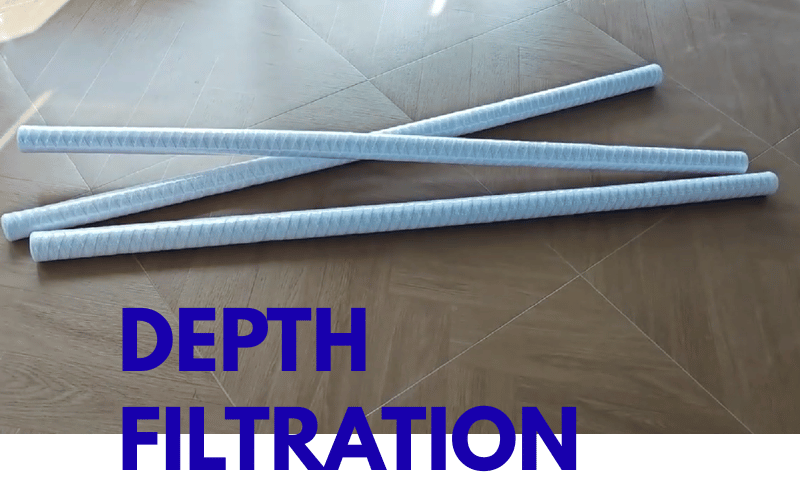
Depth filtration is your go-to solution for removing larger particles like dirt, sand, and rust from water. This method uses filter cartridges or bags made of materials like polypropylene, cellulose, or fiberglass. These filters trap contaminants throughout their thickness, not just on the surface, which allows them to handle high levels of sediment without clogging too quickly.
For example, in industries like food processing or manufacturing, depth filters are often used as a pre-filtration step to protect more sensitive downstream equipment. When selecting a depth filter, please pay attention to the micron rating, as it determines the size of particles the filter can capture. A 5-micron filter works well for general sediment removal, while a 1-micron filter is better for finer particles.
Surface Filtration: Precision Filtration for Specific Needs
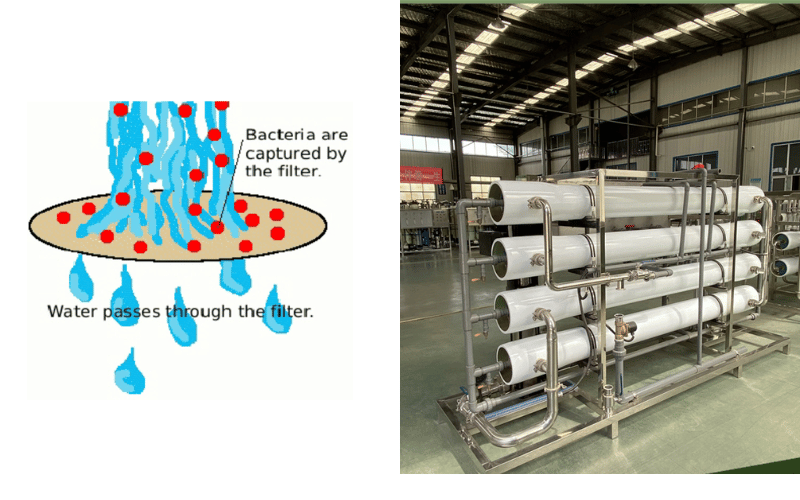
Surface filtration is all about precision. Unlike depth filters, surface filters trap particles on the outer layer of the filter media, making them ideal for applications requiring consistent and exact filtration. These filters are often made of woven mesh or perforated materials, which allow for easy cleaning and reuse.
Industries like pharmaceuticals and electronics manufacturing rely on surface filtration to remove particles that could compromise product quality. For instance, a pharmaceutical plant might use a 0.2-micron surface filter to ensure sterile water for production. When using surface filters, consider the flow rate and pressure drop to ensure the system operates efficiently without compromising filtration performance.

Membrane Filtration: Advanced Solutions for High-Quality Water
Membrane filtration takes water purification to the next level, using advanced methods like Reverse Osmosis (RO) and Ultrafiltration (UF). RO systems force water through a semi-permeable membrane to remove dissolved salts, heavy metals, and other impurities, making it ideal for desalination and ultrapure water applications. UF, on the other hand, targets larger contaminants like bacteria and suspended solids while allowing essential minerals to pass through.
For example, a power plant might use an RO system to produce ultrapure water for its boilers, preventing scaling and corrosion. Meanwhile, a beverage manufacturer could rely on UF to ensure water quality without altering its mineral content. When choosing a membrane system, consider factors like water pressure, recovery rate, and the type of contaminants you need to remove. Regular maintenance, such as membrane cleaning and replacement, is crucial to keep these systems running efficiently.
UV Filtration: Chemical-Free Disinfection for Bacteria and Viruses
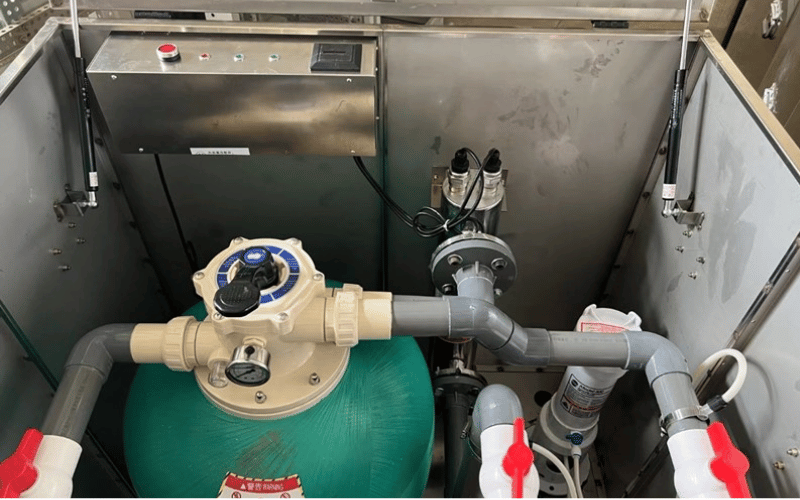
UV filtration offers a chemical-free way to disinfect water by using ultraviolet light to destroy bacteria, viruses, and other microorganisms. This method is particularly effective for applications where chemical disinfection could alter the water’s properties or leave residual byproducts.
For instance, a bottled water facility might use UV filtration as a final step to ensure microbiological safety without affecting the water’s taste. Similarly, hospitals and laboratories often rely on UV systems to sterilize water for sensitive applications. When implementing UV filtration, ensure the system is sized correctly for your flow rate and that the UV lamps are replaced regularly to maintain effectiveness.
By understanding these filtration technologies and their specific applications, you can make informed decisions that align with your operational needs. Each method has its place in the industrial filtration landscape, and selecting the right one can significantly improve efficiency, protect equipment, and ensure compliance with quality standards.
How to Choose the Right Filtration System
Selecting the right filtration system can feel like navigating a maze of options, but breaking the process into clear steps simplifies the decision-making. Each step ensures you align your system with your water quality needs, operational goals, and industry standards. Let’s walk through the process together.
Step 1: Analyze Your Water Quality
Before diving into filtration options, you need to understand what’s in your water. Testing for contaminants is non-negotiable—it’s the foundation of choosing the right system.
- Test for Contaminants: Start by identifying the specific impurities in your water. Is it loaded with suspended solids like dirt and sand? Does it contain dissolved minerals like calcium and magnesium that cause scaling? Or are microorganisms like bacteria and viruses the primary concern? A detailed water analysis will give you the answers.
- Understand Industry Requirements: Different industries have unique water quality standards. For example, pharmaceutical manufacturing demands ultrapure water free of any biological or chemical contaminants, while food processing facilities prioritize removing chlorine and ensuring microbiological safety. Knowing your industry’s benchmarks will guide your filtration choices.
By analyzing your water quality, you create a roadmap for the filtration technologies you’ll need to address your specific challenges.
Step 2: Match Filtration Technology to Your Needs
Once you know what’s in your water, the next step is to pair the right filtration technology with your requirements. Each technology serves a distinct purpose, so matching it to your needs ensures efficiency and effectiveness.
- Pre-Treatment: If your water contains large debris or sediment, start with depth or surface filtration. Depth filters, like bag or cartridge systems, handle high sediment loads, while surface filters provide precision for smaller particles. For instance, a manufacturing plant might use a 5-micron depth filter to protect downstream equipment from clogging.
- High-Purity Needs: For applications requiring high-purity water, such as electronics manufacturing or power generation, Reverse Osmosis (RO) or Ultrafiltration (UF) systems are essential. RO removes dissolved solids and minerals, while UF targets bacteria and suspended solids. A semiconductor facility, for example, would rely on RO to produce ultrapure water for its processes.
- Disinfection: If pathogens are a concern, UV filtration or chemical disinfection is the way to go. UV systems destroy bacteria and viruses without altering the water’s chemistry, making them ideal for applications like bottled water production. Alternatively, industries like cooling towers might use chemical biocides to prevent microbial growth.
Matching the technology to your needs ensures your system addresses contaminants effectively without over-engineering the solution.
Step 3: Consider Operational Factors
Even the best filtration technology won’t perform well if it doesn’t align with your operational requirements. Consider these practical factors to ensure your system integrates seamlessly into your operations.
- Flow Rate and Capacity Requirements: Determine how much water your system needs to process and at what speed. For example, a food processing plant might require a system capable of handling 50 gallons per minute, while a smaller facility might only need 10 gallons per minute. Oversizing or undersizing your system can lead to inefficiencies or bottlenecks.
- Maintenance Needs and Costs: Evaluate how often the system will require maintenance and whether your team has the resources to handle it. For instance, RO membranes need regular cleaning to prevent fouling, while UV systems require periodic lamp replacements. Choose a system with maintenance demands that align with your operational capacity.
- Space and Automation Features: Consider the physical footprint of the system and whether it fits within your facility. Compact, modular systems work well for space-constrained environments. Additionally, automation features like real-time monitoring and self-cleaning filters can reduce manual intervention and improve efficiency.
By factoring in these operational considerations, you ensure your filtration system not only meets your water quality needs but also integrates smoothly into your workflow.
Choosing the right filtration system doesn’t have to be overwhelming. By analyzing your water quality, matching the right technology to your needs, and considering operational factors, you can make a confident decision that protects your equipment, ensures compliance, and improves efficiency.
Benefits of Industrial Water Filtration Systems
Industrial water filtration systems do more than just clean water—they act as the backbone of efficient, reliable, and sustainable operations. By addressing specific challenges like contaminants, scaling, and regulatory requirements, these systems deliver measurable benefits across multiple facets of industrial processes. Let’s explore these advantages in detail.
Improved Efficiency: Reducing Contaminants to Enhance System Performance
Contaminants in water can wreak havoc on industrial processes, reducing efficiency and increasing energy consumption. Filtration systems tackle this issue head-on by removing impurities that interfere with operations.
For example, in a cooling tower, suspended solids like dirt and debris can clog heat exchangers, reducing heat transfer efficiency. A properly designed filtration system, such as a sand filter or ultrafiltration unit, removes these particles, ensuring optimal performance. Similarly, in boiler systems, filtration prevents the buildup of dissolved solids that can lead to scaling, allowing the system to operate at peak efficiency.
By maintaining clean water, filtration systems help industries reduce energy consumption, improve process reliability, and achieve consistent output quality.
Equipment Protection: Preventing Scaling and Corrosion to Extend Equipment Life
Scaling and corrosion are two of the biggest threats to industrial equipment. Without proper filtration, contaminants like calcium, magnesium, and dissolved gases can accumulate, leading to costly damage and frequent repairs.
For instance, reverse osmosis (RO) systems remove dissolved minerals that cause scaling in boilers, while chemical filtration systems neutralize corrosive elements like chlorine. In a food processing plant, a depth filter might protect sensitive spray nozzles from clogging, ensuring smooth operations.
By protecting equipment from these issues, filtration systems extend the lifespan of critical assets, reduce unplanned downtime, and lower replacement costs.
Cost Savings: Minimizing Downtime and Maintenance Expenses
Downtime and maintenance are expensive, both in terms of direct costs and lost productivity. Filtration systems help industries avoid these pitfalls by keeping water systems clean and operational.
For example, a manufacturing facility using a self-cleaning filter can significantly reduce manual maintenance efforts. These filters automatically flush out trapped contaminants, ensuring continuous operation without the need for frequent intervention. Similarly, pre-filtration systems in RO setups reduce fouling on membranes, cutting down on cleaning cycles and extending membrane life.
By reducing the frequency and intensity of maintenance, filtration systems save industries money while maximizing uptime and productivity.
Regulatory Compliance: Ensuring Discharge Meets Environmental Standards
Industries face increasing pressure to meet stringent environmental regulations, particularly when it comes to wastewater discharge. Filtration systems play a critical role in ensuring compliance by removing harmful contaminants before water is released.
For example, a textile factory might use a combination of ultrafiltration and chemical treatment to remove dyes and heavy metals from its wastewater, ensuring it meets local discharge standards. Similarly, a power plant might rely on zero liquid discharge (ZLD) systems to eliminate wastewater entirely, recovering and reusing water within the facility.
By ensuring compliance, filtration systems help industries avoid fines, protect their reputation, and contribute to environmental sustainability.
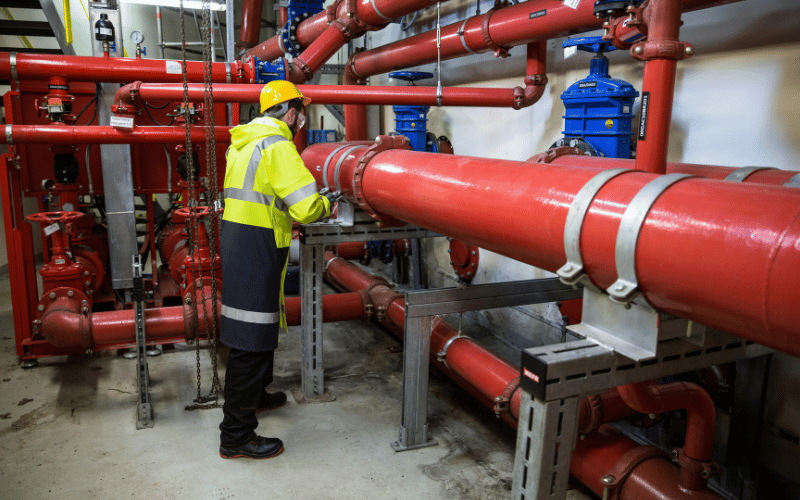
Industrial water filtration systems are more than just a necessity—they are a strategic investment that drives efficiency, protects equipment, reduces costs, and ensures compliance. By addressing these critical areas, filtration systems empower industries to operate more sustainably and profitably.
Maintenance Tips for Optimal Performance
A well-maintained filtration system doesn’t just perform better—it saves money, extends equipment life, and ensures consistent water quality. Proper maintenance requires a proactive approach, from monitoring efficiency to addressing issues before they escalate. Let’s dive into actionable tips to keep your system running at its best.
How to Monitor System Efficiency
Monitoring your filtration system’s efficiency is the first step in ensuring optimal performance. Regular checks help you identify potential issues early, preventing costly downtime or damage.
- Track Pressure Drops: A sudden increase in pressure drop across the filter indicates clogging or fouling. For example, if your depth filter shows a pressure drop exceeding the manufacturer’s recommended limit, it’s time to clean or replace it.
- Measure Flow Rates: Reduced flow rates can signal blockages or wear in the system. Use flow meters to monitor performance and ensure the system meets your operational requirements.
- Analyze Water Quality: Periodically test the filtered water for contaminants. If you notice a decline in quality—such as higher turbidity or residual chlorine—it may indicate that the filter media is saturated or damaged.
By keeping a close eye on these metrics, you can maintain system efficiency and avoid unexpected failures.
When and How to Replace Filter Cartridges
Replacing filter cartridges at the right time is critical to maintaining water quality and system performance. Waiting too long can lead to fouling, while premature replacement wastes resources.
- Know the Lifespan: Each filter cartridge has a specific lifespan, typically measured in gallons or operational hours. For instance, a sediment filter might last 6 months or 10,000 gallons, depending on water quality and usage. Always refer to the manufacturer’s guidelines for replacement intervals.
- Watch for Signs of Saturation: If you notice increased pressure drops, reduced flow rates, or declining water quality, it’s time to replace the cartridge. For example, a carbon filter that no longer removes chlorine effectively has likely reached its capacity.
- Follow Proper Replacement Procedures: Shut off the system and relieve pressure before replacing the cartridge. Inspect the housing for debris or damage, and clean it thoroughly before installing the new filter. Ensure the replacement cartridge is compatible with your system to avoid performance issues.
Timely and correct cartridge replacement keeps your system running smoothly and ensures consistent water quality.
Troubleshooting Common Issues
Even with regular maintenance, filtration systems can encounter problems. Knowing how to troubleshoot common issues can save time and prevent prolonged downtime.
- Clogged Filters: If your system experiences frequent clogging, check the pre-treatment stage. Adding a sediment filter or upgrading to a higher-capacity filter can help manage heavy loads.
- Leaks in the System: Inspect seals, gaskets, and connections for wear or damage. For example, a loose O-ring in the filter housing can cause leaks. Replace damaged components promptly to restore proper operation.
- Fouling in Membrane Systems: RO and UF membranes are prone to fouling from scaling, biofilm, or chemical deposits. Regular cleaning with the appropriate solution—such as an acid cleaner for scaling or a biocide for biofilm—can restore performance.
- Inconsistent Water Quality: If water quality fluctuates, check for bypassing or damage in the filter media. Ensure all components are properly installed and functioning as intended.
By addressing these issues promptly, you can minimize disruptions and maintain the reliability of your filtration system.
Proper maintenance is the cornerstone of a reliable and efficient filtration system. By monitoring performance, replacing cartridges on time, and troubleshooting issues effectively, you can ensure your system delivers consistent results while minimizing operational costs.
FAQs for Quick Answers
Q: What’s the difference between Ultrafiltration and Reverse Osmosis?
A: Ultrafiltration (UF) and Reverse Osmosis (RO) differ in the size of particles they remove and their applications. UF removes larger contaminants like bacteria, viruses, and suspended solids, while allowing dissolved minerals to pass through. It works well for applications like wastewater treatment or pre-filtration. RO, on the other hand, removes dissolved salts, heavy metals, and other impurities by forcing water through a semi-permeable membrane. RO is ideal for high-purity water needs, such as in electronics manufacturing or desalination.
Q: How often should filter cartridges be replaced?
A: Replace filter cartridges based on their lifespan, which depends on water quality and usage. For example, sediment filters typically last 6 months or 10,000 gallons, while carbon filters may last 3-6 months depending on chlorine levels. Monitor pressure drops, flow rates, and water quality to determine when a cartridge is saturated. If you notice reduced performance, replace the cartridge immediately to maintain system efficiency.
Q: What’s the best system for high-purity water needs?
A: Reverse Osmosis (RO) systems are the best choice for high-purity water applications. RO removes dissolved solids, heavy metals, and other impurities, producing ultrapure water suitable for industries like pharmaceuticals, power generation, and electronics. Pairing RO with pre-filtration (e.g., sediment or carbon filters) and post-treatment (e.g., UV disinfection) ensures optimal water quality and system performance.
Q: Can filtration systems handle highly acidic or alkaline water?
A: Yes, but you need to choose materials and systems designed for extreme pH levels. For highly acidic or alkaline water, use filters with corrosion-resistant materials like stainless steel or specialized plastics. Additionally, pre-treatment systems, such as pH neutralizers, can help balance the water before it enters the filtration system. Consult with the manufacturer to ensure the system can handle your specific water chemistry without compromising performance or durability.
Conclusion: Making the Right Choice
Choosing the right industrial water filtration system requires understanding the available technologies, following a structured selection process, and recognizing the tangible benefits these systems provide. From depth and surface filtration to advanced methods like RO and UV, each technology serves a specific purpose. Analyzing water quality, matching the right system to your needs, and considering operational factors ensure optimal performance and efficiency. To make the best decision for your unique requirements, consult with industry experts who can provide tailored solutions that align with your goals and challenges.

