


Filtration is the backbone of the food and beverage industry, ensuring every product meets the highest standards of purity, safety, and flavor. From removing harmful contaminants to enhancing sensory experiences, filtration plays a vital role in delivering consistent quality and extending shelf life. Whether it’s the crystal clarity of a beverage or the smooth texture of a sauce, filtration technologies work tirelessly behind the scenes to protect consumer health and elevate product excellence. This article explores the indispensable role of filtration, its key technologies, and its transformative impact across the food and beverage spectrum.
Why Filtration Matters in Food & Beverage
Filtration is the unsung hero of the food and beverage industry, working tirelessly behind the scenes to ensure every product is safe, consistent, and long-lasting. Like a vigilant gatekeeper, it removes impurities and contaminants that threaten quality, protecting both consumer health and the reputation of brands. Without filtration, the industry would struggle to deliver the purity, consistency, and shelf life that customers expect.
The Purity Imperative
Purity is the foundation of food and beverage production, and filtration is its most loyal ally. It stands guard, removing unwanted intruders like sediments, microbes, and other impurities that could compromise safety and quality. These contaminants are more than just nuisances—they can alter the taste, texture, and appearance of products, turning a delightful experience into a disappointing one.
Filtration doesn’t just protect; it elevates. By ensuring that every sip of juice or bite of food is free from harmful particles, it enhances the sensory experience. The vibrant clarity of a filtered beverage or the smooth texture of a filtered sauce is a testament to its quiet but powerful work.
- Key Benefits: Filtration shields consumers from harmful contaminants while enhancing the visual appeal and flavor of products.
- Statistic: The global food filtration market is growing at an impressive pace, with projections estimating it will reach billions in value in the coming years. This surge reflects the increasing demand for high-quality, filtered food and beverages.
Ensuring Product Consistency
Filtration is the perfectionist of the production line, ensuring that every batch of food or beverage meets the same high standards. It eliminates inconsistencies, such as particles or variations in clarity, so that each product is as flawless as the last. This consistency builds trust with consumers, who come to rely on their favorite brands for dependable quality.
Imagine a glass of wine that sparkles with clarity or a bottle of juice that looks and tastes exactly as expected. Filtration makes this possible, acting as the artist that polishes each product to perfection.
- Example: In wine and juice production, filtration ensures consistent clarity, delivering a visually stunning and high-quality product every time.
This uniformity is not just about aesthetics—it’s a critical factor in maintaining customer satisfaction and loyalty, especially in a competitive market where trust is everything.
Extending Shelf Life
Filtration is also the guardian of freshness, extending the shelf life of food and beverages by removing spoilage agents like microbes. By keeping these unwelcome guests at bay, it prevents products from deteriorating prematurely, reducing waste and ensuring that consumers enjoy fresh, high-quality items for longer.
Think of filtration as the timekeeper, slowing down the clock on spoilage. It allows manufacturers to meet safety standards while minimizing product loss, making it an indispensable part of modern production.
- Insight: “Filtration is a critical control point for microbial stability,” explains Dr. Anya Sharma, a food scientist.
By controlling microbial growth, filtration not only preserves freshness but also supports sustainability by reducing waste. It’s a quiet but essential force that keeps the food and beverage industry running smoothly, one filtered drop at a time.
Key Filtration Technologies
Filtration technologies are the quiet architects of purity, tirelessly working to ensure liquids meet the highest standards of safety and quality. Each method has its own personality, designed to tackle specific challenges, whether it’s managing heavy particle loads or delivering ultra-pure results. These technologies are the unsung heroes across industries, adapting to the unique demands of every application.
Depth Filtration Explained
Depth filtration is the workhorse of the filtration world, built for endurance and heavy lifting. It doesn’t just skim the surface; it dives deep, capturing particles throughout its thick, porous structure. This layered design allows it to handle large volumes of liquid brimming with impurities, making it the go-to solution for bulk filtration tasks.
Depth filters are like sponges with a mission. They trap contaminants of all sizes within their matrix, ensuring nothing unwanted sneaks through. Their ability to hold so much without clogging quickly makes them a reliable partner in high-demand environments.
- Key Features: Depth filtration captures particles deep within its material, handles high impurity loads, and reduces the need for frequent replacements.
- Use Case: Picture a brewery relying on depth filtration to clarify beer, removing yeast and other solids to create a crystal-clear pint. Or imagine edible oils being filtered to perfection, free from impurities but retaining their natural quality. Depth filtration thrives in these scenarios, ensuring both efficiency and excellence.
Membrane Filtration Types
Membrane filtration is the precision artist of the filtration family, using thin, semi-permeable membranes to separate contaminants with surgical accuracy. Each type of membrane has its own specialty, tailored to the size of the particles or molecules it needs to remove.
- Microfiltration (MF): The guardian of safety, microfiltration removes bacteria and larger particles. It’s the trusted choice for sterilizing beverages or ensuring water is safe to drink.
- Ultrafiltration (UF): Ultrafiltration steps in when smaller contaminants like proteins and viruses need to be filtered out. It’s a favorite in dairy processing and pharmaceutical production, where precision is non-negotiable.
- Nanofiltration (NF): Nanofiltration is the chemist of the group, removing salts, small organic molecules, and divalent ions. It’s perfect for softening water or treating industrial effluents.
- Reverse Osmosis (RO): Reverse osmosis is the purifier, stripping water of dissolved salts, heavy metals, and other impurities. It’s the hero of desalination plants and high-purity water systems.
Each membrane type brings its own expertise to the table, ensuring industries can achieve the exact level of purity they need.
Other Essential Methods
Beyond depth and membrane filtration, other specialized methods step in to tackle unique challenges. These techniques are the problem-solvers, enhancing liquid quality and protecting equipment from harm.
- Centrifugal Separation: Centrifugal separation is the speedster of filtration, using rapid spinning to separate solids from liquids based on density. It’s the go-to method for high-density mixtures, like separating solids from slurries in mining or clarifying fermentation broths in brewing.
- Adsorption Using Activated Carbon: Activated carbon is the magician of filtration, removing colors, odors, and unwanted flavors by adsorbing dissolved impurities. Whether it’s improving the taste of drinking water or refining beverages, activated carbon works its magic to enhance liquid quality.
These technologies showcase the versatility of filtration systems, proving that no matter the challenge, there’s a solution ready to rise to the occasion. From industrial processes to food production, filtration ensures every drop meets its purpose with precision and care.
The following blog provides a comprehensive overview of various industrial filtration methods. Click to learn more.
What is Industrial Filtration and Why It Matters for Your Business
Applications Across the Food & Beverage Spectrum
Filtration technologies are the unsung heroes of the food and beverage industry, working tirelessly to ensure every product is pure, safe, and consistent. Like meticulous artisans, these systems refine, clarify, and protect, meeting the highest standards demanded by consumers and regulators alike. From dairy farms to breweries, filtration adapts to every challenge, ensuring superior results in every drop and bite.
Dairy Processing Purity
In the world of dairy, filtration is the guardian of purity, standing watch over milk and its derivatives. It removes unwanted intruders like bacteria and somatic cells, ensuring that every glass of milk and every block of cheese meets the highest quality standards.
Milk filtration is the first line of defense. Microfiltration (MF) acts as a vigilant gatekeeper, removing harmful bacteria and impurities from raw milk. This process not only improves safety but also enhances the milk’s quality before it moves further down the production line. Without this step, the risk of contamination would loom large, threatening both product integrity and consumer trust.
Cheese production owes much of its success to filtration. Ultrafiltration (UF) steps in to concentrate valuable whey proteins while separating out impurities. This ensures better yields and a richer, creamier product. It’s as if filtration whispers to the milk, “Let’s bring out your best.”
- Case Study: Many dairy farms rely on microfiltration to ensure their milk meets stringent quality standards before processing. This not only reduces contamination risks but also guarantees consistency, batch after batch.
Beverage Clarity and Safety
Filtration is the artist behind every crystal-clear beverage, ensuring that drinks are as visually stunning as they are safe to consume. Whether it’s a glass of wine, a pint of beer, or a bottle of soda, filtration works its magic to remove impurities while preserving the delicate balance of flavors.
In wine and beer production, depth and surface filtration take center stage. These methods remove yeast, bacteria, and other particles, leaving behind a beverage that sparkles with clarity. The process doesn’t just enhance appearance—it also extends shelf life, ensuring that every sip is as fresh as the first.
Water treatment for soft drinks is another area where filtration shines. Reverse osmosis (RO) purifies water to meet the exacting standards required for soda production. It’s a meticulous process, ensuring that the water is not just clean but also perfectly balanced for flavor.
- Expert Quote: “Achieving crystal-clear beverages without sacrificing flavor profile is a filtration challenge we tackle daily,” says Head Brewer Mark Evans, highlighting the delicate balance filtration achieves.
Oil and Fat Refinement
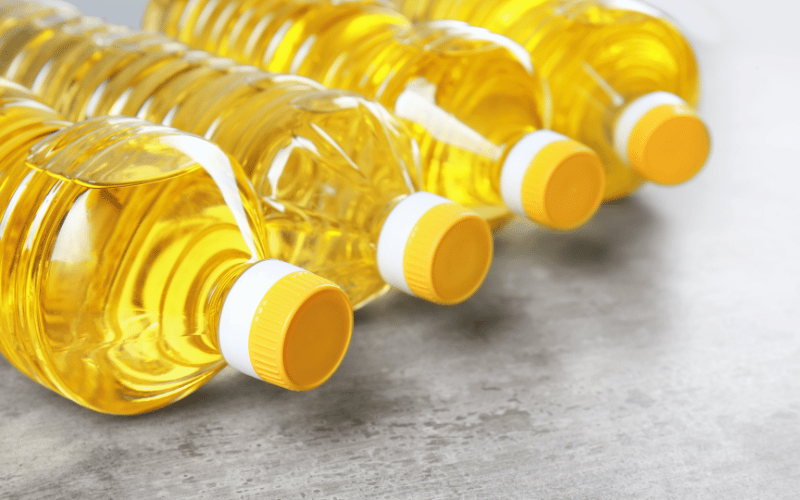
Filtration is the sculptor of edible oils, refining them to meet consumer expectations for quality, stability, and appearance. It removes impurities like suspended solids and free fatty acids, ensuring that oils are not only safe but also visually appealing and long-lasting.
Edible oil filtration is a meticulous process. By removing unwanted particles, it enhances the oil’s color and flavor, making it more appealing to consumers. Centrifugal filtration often takes the lead here, spinning impurities out of the oil with precision and speed. It’s as if the centrifuge says, “Let’s separate the good from the bad.”
Sugar and Starch Production
In sugar and starch production, filtration is the perfectionist, ensuring that every grain of sugar and every molecule of starch is pure and pristine. It removes suspended solids and other contaminants, delivering the clean, white appearance that consumers expect.
Filtration eliminates impurities from sugarcane juice or starch slurry, improving clarity and quality. This step is crucial for meeting industry standards and enhancing product marketability. Without filtration, the final product would fall short of the high expectations set by both consumers and regulators.
These applications showcase the versatility and importance of filtration in the food and beverage industry. Whether it’s purifying milk, clarifying wine, refining oil, or perfecting sugar, filtration ensures that every product is a masterpiece of quality and safety.
Selecting the Right Filtration System
Choosing the right filtration system is like finding the perfect partner—it requires understanding your needs, evaluating compatibility, and ensuring it can handle the challenges ahead. A well-chosen system doesn’t just meet your goals; it becomes a reliable ally in maintaining product quality, operational efficiency, and regulatory compliance. Here’s how to make the right choice.
Understanding Your Needs
Every filtration system has a purpose, but it’s up to you to define what that purpose is. Think of it as giving the system its mission. What do you need it to accomplish? The clearer your requirements, the better your chances of finding a system that fits like a glove.
Start by identifying the contaminants you need to remove. Are you dealing with stubborn solid particles, sneaky microbes, or dissolved substances that require precision? Each type of impurity demands a different approach, so knowing your enemy is the first step.
Next, consider the flow rate. How much liquid needs to pass through the system, and how quickly? A system that can’t keep up with your production demands will only slow you down. Finally, think about the desired purity level. Does your application require sterile filtration, or is basic clarification enough? These questions act as a compass, pointing you toward the right solution.
- Actionable Tip: Create a detailed map of your filtration goals. Include the type of liquid, the contaminants you’re targeting, and the quality standards you need to meet. This roadmap will guide you to the right technology.
Factors to Consider
Once you’ve defined your needs, it’s time to evaluate the key factors that will influence your decision. Think of this as interviewing candidates for the job—each system has strengths and weaknesses, and it’s your job to find the best fit.
The filtration media is the heart of the system. Depth filters are the heavy lifters, perfect for high particle loads. Membrane filters are the precision artists, ideal for applications requiring fine detail. Activated carbon, on the other hand, is the magician, removing odors and chemicals with ease. Choose the media that aligns with your specific challenges.
System efficiency and cost are also critical. A more efficient system might have a higher upfront cost, but it can save you money in the long run by reducing energy consumption and maintenance needs. Think of it as an investment in long-term reliability.
Ease of cleaning and maintenance is another factor to weigh. Systems with self-cleaning features or easily replaceable filters can save you time and labor, keeping your operations running smoothly. And don’t forget regulatory compliance. Ensure the system meets industry standards, such as FDA or local guidelines, to avoid costly compliance issues.
By carefully considering these factors, you can select a system that balances performance, cost, and ease of use, ensuring it becomes a valuable asset in your production process.
Testing and Validation
Even the most promising filtration system needs to prove itself before it can take center stage. Testing and validation are like auditions, allowing you to see how the system performs under real-world conditions.
Pilot testing is the first step. Run small-scale tests to evaluate the system’s ability to meet your filtration goals. This is your chance to identify potential issues and fine-tune the setup before committing to full-scale operations. Think of it as a dress rehearsal, ensuring everything runs smoothly when it’s time for the main event.
Validation is the final checkpoint. Confirm that the system meets all performance and regulatory requirements. Test its flow rate, contaminant removal capabilities, and compliance with standards. This step ensures the system is ready to handle the demands of your production line without missing a beat.
- Checklist: Verify that the system meets FDA or local regulatory standards, handles the required flow rate, and achieves the desired purity level. This thorough evaluation ensures a seamless transition to full-scale operations.
By following these steps, you can select a filtration system that not only meets your needs but also becomes a trusted partner in delivering quality, consistency, and efficiency.
Innovations and Future Trends
The filtration industry is undergoing a transformation, embracing innovation like an artist refining their masterpiece. With advancements in technology and a growing commitment to sustainability, filtration systems are becoming smarter, stronger, and kinder to the planet. These trends are not just shaping the future—they’re redefining what’s possible in filtration.
Advanced Membrane Materials
Membranes are the precision instruments of filtration, and they’re getting a high-tech upgrade. Imagine a membrane that doesn’t just filter but does so with the finesse of a skilled craftsman, targeting contaminants with pinpoint accuracy while standing up to the toughest conditions.
Modern membranes are evolving to offer better selectivity, acting like a bouncer at an exclusive club, letting only the right molecules through. This precision ensures higher purity levels, whether it’s in water purification or pharmaceutical production. But these membranes aren’t just precise—they’re also built to last. Advanced materials resist wear and chemical degradation, extending their lifespan and reducing the need for frequent replacements. It’s as if they’ve been given an armor upgrade, ready to take on the harshest environments.
Energy efficiency is another hallmark of these innovations. These membranes require less pressure to operate, meaning they consume less energy while delivering the same, if not better, results. They’re like marathon runners who’ve learned to conserve energy, going the distance without breaking a sweat. As these materials continue to improve, industries can look forward to filtration systems that are not only more effective but also more sustainable.
Smart Filtration Systems
Filtration is stepping into the digital age, and smart systems are leading the charge. These systems are like the tech-savvy assistants you didn’t know you needed, constantly monitoring, adjusting, and optimizing to ensure peak performance.
Real-time monitoring is at the heart of these systems. Sensors act as vigilant eyes, tracking flow rates, pressure levels, and filter performance. If something goes awry, the system doesn’t wait for a human to notice—it raises the alarm immediately. Automated cleaning cycles are another game-changer. When filters start to clog, these systems take matters into their own hands, initiating self-cleaning processes to maintain consistent filtration. It’s like having a self-cleaning oven, but for industrial-scale filtration.
Perhaps the most impressive feature is predictive maintenance. By analyzing performance data, smart systems can predict when maintenance is needed, preventing unexpected breakdowns and reducing downtime. It’s as if the system has a crystal ball, foreseeing issues before they become problems.
- Insight: “IoT integration in filtration allows for unprecedented control and optimization,” says an industry analyst, emphasizing how these systems are revolutionizing industrial processes.
With smart filtration, the future isn’t just efficient—it’s intelligent.
Sustainability in Filtration
Sustainability is no longer a buzzword—it’s a mandate, and the filtration industry is rising to the challenge. These systems are becoming environmental stewards, working to conserve resources and reduce waste while maintaining high performance.
Reducing water consumption is a top priority. New designs minimize the amount of water used during filtration and cleaning processes, ensuring that this precious resource is conserved. It’s as if the systems have learned to sip rather than gulp, making every drop count.
Minimizing waste is another area of focus. Reusable filter cartridges and longer-lasting materials mean fewer filters end up in landfills. These innovations are like the zero-waste advocates of the filtration world, finding ways to do more with less. Energy-efficient designs round out the trifecta of sustainability. By using less energy, these systems lower operational costs and reduce carbon footprints, proving that efficiency and eco-friendliness can go hand in hand.
These trends show how the filtration industry is not just keeping up with the times—it’s leading the way. With advanced materials, smart systems, and a commitment to sustainability, filtration is poised to meet the challenges of the future while continuing to deliver exceptional performance.
Concluding Summary
Filtration is more than a technical process—it’s a cornerstone of quality and innovation in the food and beverage industry. By ensuring purity, consistency, and extended shelf life, it safeguards consumer trust while enhancing product appeal. From advanced membrane technologies to sustainable practices, filtration continues to evolve, meeting the demands of a competitive market and a resource-conscious world. As the industry embraces smarter, more efficient systems, filtration remains an unsung hero, shaping the future of food and beverage production with precision and care.

